
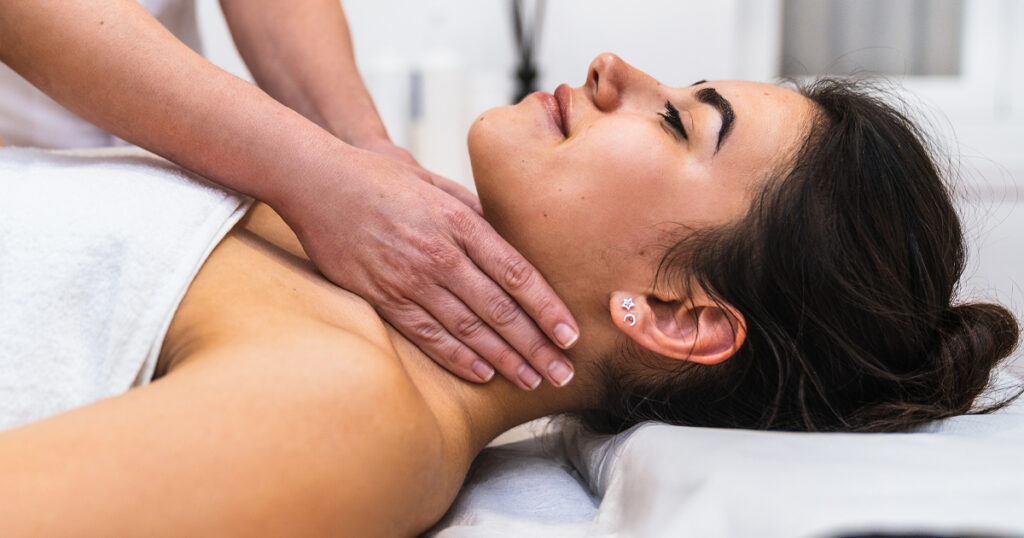
To truly understand lymphatic drainage massage, you need to understand the lymphatic system properly. Most people have heard of it, but very few actually know how it works. And honestly, once you understand it, everything about this massage makes much more sense.
Your lymphatic system is part of your immune and circulatory systems. It is a network of vessels, nodes, and organs that work quietly in the background every single day. You do not feel it working. You do not hear it. But it plays a huge role in keeping your body balanced.
Understanding the Lymphatic System in Depth
Think of your body like a busy city. Blood vessels are the highways delivering oxygen and nutrients. But after those deliveries are made, waste and extra fluid need to be cleaned up. That is where the lymphatic system comes in. It acts like the sanitation and drainage department of your body.
When blood circulates through tiny vessels called capillaries, some fluid leaks into surrounding tissues. This is normal. Your cells need nutrients, and that fluid helps deliver them. But not all of that fluid goes back into the bloodstream directly. Some of it stays behind. That leftover fluid becomes lymph.
Lymph is a clear or slightly milky fluid. It contains water, proteins, fats, white blood cells, bacteria, and waste products. This fluid travels through lymph vessels, which are thin tubes located just under your skin. These vessels carry lymph toward lymph nodes.
Lymph nodes are small, bean shaped structures located in areas like the neck, armpits, chest, abdomen, and groin. You have hundreds of them throughout your body. Their job is to filter lymph fluid. They trap bacteria, viruses, and damaged cells. They also activate immune cells to fight infections.
If you have ever had swollen glands in your neck during a cold, those are your lymph nodes working hard. They swell because they are filtering out infection.
Now here is the key difference between the blood system and the lymph system.
Blood has a pump. The heart pushes blood around your body. Lymph does not have a pump. It relies on movement. Muscle contractions, breathing, and body motion help push lymph through vessels. Even small movements matter.
When you walk, your leg muscles squeeze lymph vessels and push fluid upward. When you take deep breaths, pressure changes in your chest help pull lymph upward. When you stretch, shift positions, or move your arms, lymph continues to circulate.
But modern life does not always support this system.
Many people sit for long hours at desks. Some work long shifts standing still. Others travel frequently on planes. These situations reduce natural movement. When muscles stay inactive for too long, lymph flow slows down.
Hormonal changes can also affect fluid retention. High salt intake can pull more water into tissues. Stress affects circulation and can indirectly slow fluid movement. Lack of sleep may also impact how your body regulates fluid balance.
When lymph flow slows, fluid accumulates in tissues. This creates swelling, also called edema. You might notice puffiness around your eyes in the morning. You might feel heavy legs by evening. You might feel bloated in your abdomen.
This is where lymphatic drainage massage becomes helpful.
Because the vessels sit close to the skin, gentle stretching motions can stimulate them. The massage follows the natural direction of lymph flow. It helps guide fluid from swollen areas toward lymph nodes, where it can be filtered and eventually returned to circulation.
It is important to understand something clearly. The lymphatic system does not work alone. It connects closely with your cardiovascular system. After lymph nodes filter the fluid, it eventually returns to the bloodstream near the heart. From there, waste products are processed by the liver and kidneys.
So when people say lymphatic drainage massage supports detox, what it really means is that it supports the transport system. It helps move waste to the organs that already handle detoxification.
Another important function of the lymphatic system involves fat absorption. Specialized lymph vessels in your digestive system absorb dietary fats and fat soluble vitamins. That means your lymphatic system plays a role in nutrition too.
Now let us talk about immune support.
White blood cells travel through lymph fluid. Lymph nodes monitor this fluid for harmful invaders. When they detect bacteria or viruses, they trigger immune responses. A healthy lymphatic system supports faster immune reactions.
That does not mean massage prevents illness. But good circulation and drainage support overall balance in the body.
There is also something called lymphedema. This happens when lymph nodes are damaged or removed, often due to surgery or radiation therapy. Without proper drainage, fluid builds up significantly. This condition requires medical management and trained therapists. It is more serious than general puffiness.
For people without medical conditions, mild swelling is usually lifestyle related. Long sitting hours, stress, dehydration, and poor movement habits contribute to it. In these cases, lifestyle changes plus lymphatic drainage massage can create noticeable improvement.
Here is something many people overlook. Hydration matters deeply. When you are dehydrated, your body may hold onto fluid. Drinking enough water supports balance. Movement also matters. Even short walks can stimulate lymph flow naturally.
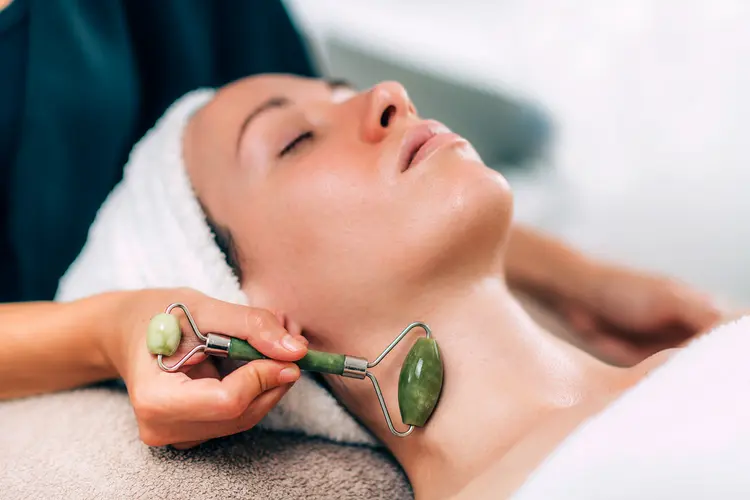
Deep breathing exercises are surprisingly powerful too. Slow, full breaths expand and contract the chest cavity. This creates pressure changes that encourage lymph movement upward.
So in a way, your daily habits either help or slow your lymph system.
Massage is not a magic fix. It is support. It gives your system a boost. But you still need to move, breathe, hydrate, and rest properly.
When you understand how your lymphatic system works, you realize why gentle pressure is key. You realize why movement after a session is recommended. You realize why heavy workouts immediately after may not be ideal. The system needs calm and steady support.
Your lymphatic system works quietly every day to protect you. It filters waste. It supports immunity. It manages fluid balance. It absorbs nutrients. It keeps tissues healthy.
Lymphatic drainage massage simply works with this natural system. It respects its design. It does not force it. It encourages it.
And honestly, when you start thinking of your body as a system that needs flow, not force, everything begins to make more sense.
Lymphatic Drainage Massage Benefits in Detail with Realistic Expectations
When people search for lymphatic drainage massage, they usually want one thing. Results.
They want to know what it really does. They want to know if it works. They want to know if it is worth their time and money.
So let us break this down clearly and honestly.
1. Reduced Swelling and Puffiness
The most common reason people book lymphatic drainage massage is swelling. Fluid retention can make your body feel heavy. It can make your face look tired. It can make your legs feel tight by the end of the day.
This massage helps move trapped fluid toward lymph nodes. Once that fluid moves, swelling may reduce.
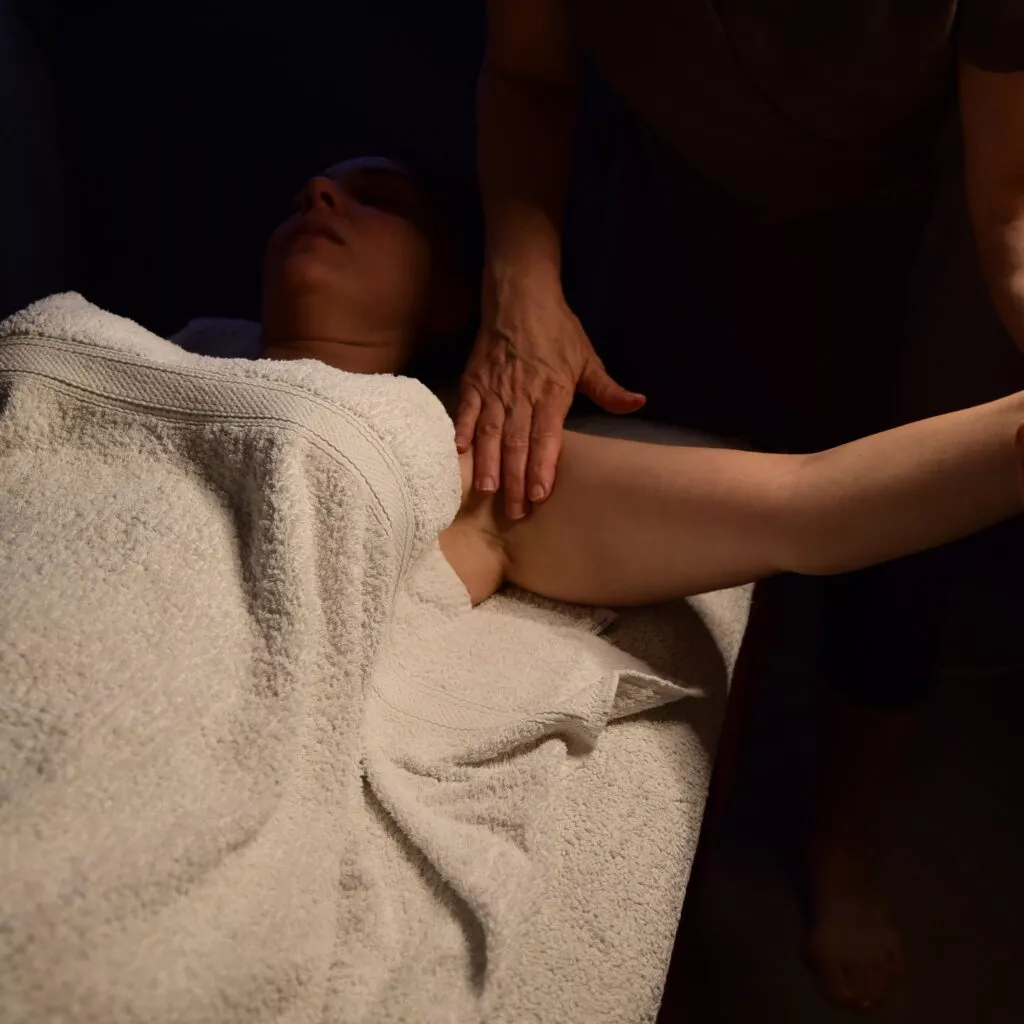
You may notice:
- Ankles look less puffy
- Rings fit better
- Jawline looks more defined
- Under eye area looks calmer
This is not fat loss. It is fluid balance. And for many people, that alone makes a visible difference.
2. A Lighter Feeling in the Body
Some benefits are not visual. They are physical.
People often describe feeling lighter after a session. Not thinner. Not dramatically different. Just lighter.
That heavy, sluggish feeling in the legs or abdomen can improve when fluid circulation increases.
This is especially noticeable after:
- Long flights
- Long car rides
- Hormonal bloating
- High salt meals
- Stressful weeks
The body feels less congested.
3. Support for Post Surgery Recovery
One of the more structured uses of lymphatic drainage massage is after cosmetic procedures. Surgeons sometimes recommend it to help manage swelling.
For example, lymphatic drainage massage after lipo is commonly discussed. After liposuction, the body naturally swells. Gentle drainage may help move excess fluid and support healing when approved by a medical professional.
Important note. This must be done by someone trained in post surgical care. Timing and technique matter. Too much pressure too early can cause harm.
When done properly, it may help:
- Reduce fluid pockets
- Improve comfort
- Support smoother healing
But again, it supports healing. It does not replace medical instructions.
4. Improved Skin Appearance
Facial puffiness is something many people struggle with.
Facial lymphatic drainage massage can help reduce that morning swelling. The skin may look more refreshed. The jawline may look slightly sharper.
Some people book lymphatic drainage massage face sessions before weddings or events. They want that calm, rested appearance.
However, realistic expectations matter. This massage does not change bone structure. It does not remove fat. It reduces fluid retention that may soften facial contours.
Consistency and hydration influence results.
5. Stress Reduction and Nervous System Support
One benefit people often overlook is relaxation.
The slow rhythm of lymphatic drainage massage activates the parasympathetic nervous system. This is your rest and repair system.
When this system activates:
- Heart rate slows
- Breathing deepens
- Muscles soften
- Stress hormones decrease
In a world where many people live in constant stress mode, this matters.
Stress affects fluid retention. Stress affects inflammation. Stress affects sleep. So calming the body indirectly supports many systems.
Some people say they sleep better after sessions. Others say they feel emotionally lighter. While this is not guaranteed, it is common.
6. Immune System Support
Your lymphatic system plays a role in immune defense. Lymph nodes filter harmful substances. White blood cells travel through lymph fluid.
When lymph flow is healthy, immune surveillance works smoothly.
Does massage prevent illness? No.
Does it support circulation and lymph movement? Yes.
Healthy circulation supports overall balance in the body. That balance supports immune function indirectly.
Think of it as maintaining your drainage system so nothing gets backed up.
7. Reduced Bloating and Abdominal Discomfort
Fluid retention in the abdomen can create a bloated feeling.
Lymphatic drainage massage can gently support abdominal fluid movement. Some people feel less pressure and tightness afterward.
Again, this is fluid related bloating. It is not digestive disease treatment. But for mild retention, it may help.
Pairing massage with hydration and movement improves results.
8. Support for Leg Heaviness
Lymphatic drainage massage legs sessions are very popular for people who stand all day or sit for long periods.
Heavy legs can feel tired and tight. Gentle drainage may improve comfort and reduce mild swelling.
Lymphatic drainage massage for legs can be helpful after travel, during warm weather, or after hormonal changes.
It is especially helpful when combined with walking and stretching.
9. Temporary Body Contour Improvement
Some styles like brazilian lymphatic drainage massage focus on visible contour effects.
These sessions aim to reduce fluid retention and create a smoother appearance.
However, clarity is important.
The contour effect is usually temporary unless lifestyle changes support long term balance. Salt intake, hydration, stress, and sleep all influence fluid retention.
So while some people see visible shaping, it is not permanent body reshaping.
10. Emotional Relief
Sometimes people underestimate how physical heaviness affects mood.
When your body feels swollen or tight, you may feel uncomfortable in your clothes. That discomfort can affect confidence.
When swelling reduces, people sometimes feel more comfortable and relaxed in their body.
This psychological benefit matters.
Lymphatic drainage massage is not:
- A weight loss solution
- A fat removal treatment
- A miracle detox
- A cure for serious medical conditions
It is:
- A supportive therapy
- A circulation helper
- A fluid balance tool
- A relaxation method
The best results come when massage is part of a healthy lifestyle.
Drink enough water.
Move daily.
Reduce excessive salt.
Sleep well.
Manage stress.
Massage amplifies these habits.
Another thing to remember is that results vary from person to person. Genetics, hormones, diet, stress, and health conditions all influence fluid retention.
Some people see visible changes after one session. Others need multiple sessions. Some feel internal comfort more than visual change.

And that is okay.
The key is consistency and realistic expectations.
When done correctly, lymphatic drainage massage benefits are subtle but meaningful. They support how your body already works. They encourage flow instead of forcing change.
And honestly, in wellness, gentle support often creates better long term results than aggressive methods.
Complete Step by Step Process, Aftercare, Safety, and Choosing the Right Therapist
When someone searches for lymphatic drainage massage, they usually want to know one important thing.
What actually happens?
Let us walk through the full experience step by step so you know exactly what to expect.
Step 1: Consultation and Health Review
A proper session always begins with questions.
A trained therapist will ask about:
- Your health history
- Medications
- Surgeries
- Swelling areas
- Goals
This is not small talk. It is safety.
If you recently had surgery, they need clearance details. If you have heart or kidney issues, they must know. If you have active infection, the session may need to wait.
A good therapist never skips this part.
Step 2: Comfortable Setup
You will lie down on a massage table. Some sessions are done fully clothed. Others use light draping depending on the area being treated.
The room is usually calm and quiet. The goal is relaxation. The environment supports your nervous system shifting into a calm state.
Your body must feel safe before it can release tension.
Step 3: Opening the Main Drainage Pathways
This is a very important part.
Most sessions begin near the neck and collarbone area. Why? Because major lymphatic ducts drain into this region near the heart.
Think of it like clearing the main highway before moving traffic from side roads.
The therapist uses light circular or pumping motions to stimulate these areas gently.
It may feel repetitive. That is normal.
Step 4: Targeted Drainage Work
After opening main pathways, the therapist works on your concern areas.
For example:
If you have leg swelling, they may start at the upper leg first, then move downward gradually, then guide fluid upward again.
If you have facial puffiness, they often start at the neck before moving upward to the jaw and cheeks.
If you need full body lymphatic drainage massage, the therapist will move methodically from one region to another, always respecting drainage patterns.
The strokes remain light. They are slow. They follow a pattern.
This is not random rubbing. It is structured movement.
Step 5: Monitoring Comfort
Throughout the session, the therapist may ask how you feel.
Pressure should never be painful. If you feel discomfort, speak up.
You may feel:
- Warmth
- Mild tingling
- Deep relaxation
- Sleepiness
All of these are common.
Step 6: Gentle Closing Strokes
At the end, the therapist often returns to central drainage areas one more time. This helps reinforce the flow pattern.
You are given a moment to rest before sitting up slowly.
Never rush off the table. Your body just shifted into a relaxed state.
The Complete Return Process After Your Session
Aftercare is just as important as the session itself.
Follow this return process carefully.
Step 1: Sit Up Slowly
Your blood pressure may drop slightly from relaxation. Take your time.
Step 2: Drink Water
Hydration supports circulation. Do not chug a huge amount. Just drink normally throughout the day.
Step 3: Light Movement
A gentle walk for 10 to 20 minutes helps maintain lymph flow. Avoid intense workouts for at least 24 hours.
Step 4: Avoid Heavy Salt and Alcohol
Salt pulls water into tissues. Alcohol can dehydrate you. Both can reduce the benefits.
If you are unsure what to avoid after lymphatic drainage massage, remember this rule. Keep your body calm and hydrated for one day.
Step 5: Rest Well
Sleep supports repair. Many people feel slightly tired after sessions. That is normal.
Step 6: Notice Body Signals
You may urinate more often. You may feel thirsty. You may feel lighter.
These are normal signs of fluid movement.
If you experience dizziness, fever, unusual swelling, or pain, contact a medical professional.
Safety Guidelines You Should Never Ignore
Lymphatic drainage massage is gentle. But safety still matters.
Avoid this therapy if you have:
- Active infection with fever
- Untreated blood clots
- Severe heart failure
- Kidney disease without medical approval
- Certain cancers without doctor guidance
Lymphatic drainage massage side effects are usually mild. Some people feel fatigue. Some feel mild headache. Some feel increased urination.
These effects usually pass within a day.
If symptoms feel severe or last longer, seek advice.
Never let someone perform aggressive pressure and call it lymphatic drainage. That is incorrect technique.
How Often Should You Get It
Frequency depends on your goal.
For general wellness:
Once every 2 to 4 weeks is common.
For travel or event prep:
One session before and one after may help.
For recovery like lymphatic drainage massage after lipo:
Follow your surgeon’s schedule strictly.
For chronic swelling:
A therapist may recommend weekly sessions initially.
More is not always better. Consistency matters more than intensity.
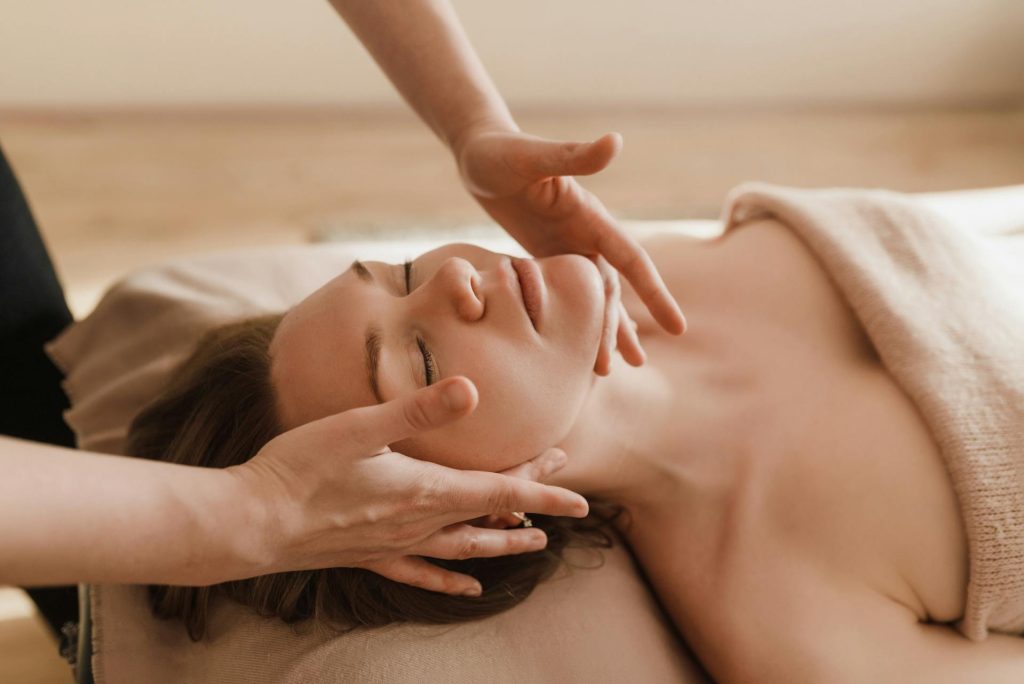
Choosing the Right Therapist
The best lymphatic drainage massage is not about fancy marketing. It is about training and safety.
Look for:
Certification in lymphatic techniques
Experience with your specific concern
Clear explanation of process
Clean environment
Respect for your health history
Ask questions.
How long have you practiced?
Are you trained in post surgical care?
What pressure do you use?
What results can I realistically expect?
If someone promises dramatic permanent body shaping in one session, be cautious.
A good therapist sets realistic expectations.
Can You Do It at Home
Self lymphatic drainage massage is possible for maintenance.
Keep it very gentle. Always move toward central drainage areas like the neck and armpits.
Do not press hard.
Combine with:
Walking
Stretching
Deep breathing
Some people use lymphatic drainage massage oil to help hands glide smoothly. Choose simple oils without heavy fragrance.
Home care supports professional sessions. It does not replace them when medical care is needed.
Cost Considerations
Prices vary depending on location and therapist experience.
Longer sessions cost more. Specialized recovery sessions may cost more due to additional training.
Before booking packages, try one session first.
Quality matters more than price.
Long Term Maintenance Strategy
To maintain benefits:
Move daily
Stay hydrated
Sleep properly
Reduce excessive salt
Manage stress
Massage is support. Lifestyle is foundation.
Long Term Lymphatic Health and Lifestyle Integration
Lymphatic drainage massage works best when it is not treated as a one time fix. It is most powerful when combined with daily habits that support circulation and fluid balance.
Your lymphatic system needs movement. It thrives on rhythm. It depends on your lifestyle.
Let us talk about how to support it long term.
1. Daily Movement Is Non Negotiable
You do not need intense workouts. You need consistent movement.
Walking is one of the best ways to support lymph flow. When your calf muscles contract, they push fluid upward. Even 20 to 30 minutes per day makes a difference.
Stretching also helps. Gentle yoga, light mobility exercises, and simple ankle rotations improve circulation.
If you sit for work, stand up every hour. Even two minutes of walking helps.
Movement is the natural pump your lymph system depends on.
2. Deep Breathing Techniques
Most people breathe shallowly. That limits chest expansion. But deep breathing creates pressure changes inside your body that help move lymph upward toward the heart.
Try this simple practice:
Inhale slowly through your nose for four seconds.
Hold for two seconds.
Exhale slowly for six seconds.
Repeat for five minutes.
This simple habit supports relaxation and lymph movement at the same time.
3. Hydration Strategy
Your body needs water for proper circulation. When you are dehydrated, your body may hold onto fluid as protection.
Drink water consistently through the day. Do not wait until you feel very thirsty.
You do not need extreme amounts. Just steady intake.
Hydration supports the benefits of lymphatic drainage massage and helps maintain fluid balance.
4. Manage Salt Intake
High salt intake pulls water into tissues. That can increase swelling.
You do not need to remove salt completely. Just avoid excessive processed foods. Focus on whole foods when possible.
If you notice swelling after salty meals, drink water and move gently the next day.
5. Sleep and Stress Control
Sleep regulates hormones that control fluid balance. Poor sleep increases stress hormones. Stress can increase inflammation and fluid retention.
Aim for consistent sleep hours. Keep your room dark and cool.
Stress management matters too. Meditation, slow breathing, and gentle movement all support balance.
Remember, lymphatic drainage massage supports relaxation. But daily stress habits also need attention.
Integrating Lymphatic Drainage Massage into a Wellness Plan
Now let us look at how you can practically include lymphatic drainage massage in your routine.
For General Wellness
Book once every three to four weeks.
Maintain daily walking.
Hydrate consistently.
This creates a steady maintenance plan.
For Travel Recovery
Book one session before travel if possible.
Book another session after returning.
Walk during travel breaks.
Long flights can slow circulation. Plan ahead.
For Facial Puffiness
Schedule sessions before major events.
Avoid salty meals the night before.
Sleep well the night before.
Facial fluid retention often responds quickly when lifestyle supports it.
For Post Surgical Recovery
Follow surgeon guidelines strictly.
Choose trained therapists only.
Attend sessions on schedule.
Never rush the process. Healing takes time.
Common Mistakes People Make
Let us also talk about mistakes.
Some people expect dramatic permanent changes after one session. That is unrealistic.
Some people skip hydration after sessions. That reduces results.
Some choose untrained providers offering aggressive pressure. That is unsafe.
Some ignore medical conditions and skip consultation. That is risky.
A smart approach brings better long term results.
Addressing Common Myths
Myth 1: It melts fat
Truth: It reduces fluid retention, not body fat.
Myth 2: Stronger pressure works better
Truth: Gentle pressure works best for lymph vessels.
Myth 3: It detoxes everything instantly
Truth: It supports fluid transport. Liver and kidneys do detox work.
Myth 4: It replaces exercise
Truth: It supports circulation but does not replace movement.
Clarity builds trust. And trust builds better decisions.
Lymphatic drainage massage for long term body balance
Lymphatic drainage massage can become part of a sustainable wellness plan. It is gentle. It is structured. It respects your body’s natural design.
When combined with walking, hydration, sleep, and stress management, it supports overall balance.
You do not need extreme measures. You need consistency.
Small habits repeated daily create better results than occasional intense efforts.
Your body responds well to rhythm and care.
Lymphatic drainage massage routine you can follow
Start with one session.
Observe how your body reacts over two days.
Adjust frequency based on comfort.
Support results with walking and hydration.
Avoid heavy salt and alcohol after sessions.
Keep it simple. Keep it steady.
Frequently Asked Questions
1. How quickly will I see results from lymphatic drainage massage
Some people notice reduced puffiness after one session. Others may need several sessions. Results depend on lifestyle, hydration, and overall health.
2. Is lymphatic drainage massage safe for everyone
It is safe for most healthy individuals. People with infections, blood clots, heart failure, or kidney disease should consult a doctor first.
3. Can lymphatic drainage massage help with bloating
It may reduce fluid related bloating. It does not treat digestive disorders but can support mild water retention discomfort.
4. How long do results last
Results vary. If lifestyle habits support fluid balance, effects may last longer. Poor hydration and high salt intake may reduce duration.
5. Does it help with weight loss
It does not remove fat. It may reduce water retention, which can temporarily change body measurements.
6. Can I combine it with other massages
Yes, but not on the same day if deep tissue work is intense. Allow your body time to recover between different treatments.
7. Is facial lymphatic drainage massage safe
Yes, when performed gently by trained professionals. It may reduce puffiness and improve skin appearance.
8. How often should I book sessions
For maintenance, every two to four weeks works for many people. Recovery plans depend on medical guidance.
9. What should I do immediately after a session
Drink water, move lightly, avoid alcohol and salty food, and rest if needed.
10. How do I choose a qualified therapist
Look for certification, experience, clear communication, and a proper health intake process before treatment begins.
Conclusion
Lymphatic drainage massage is a gentle yet powerful way to support your body’s natural drainage system. It may reduce swelling, improve comfort, and promote deep relaxation. When combined with movement, hydration, and stress management, it becomes even more effective.