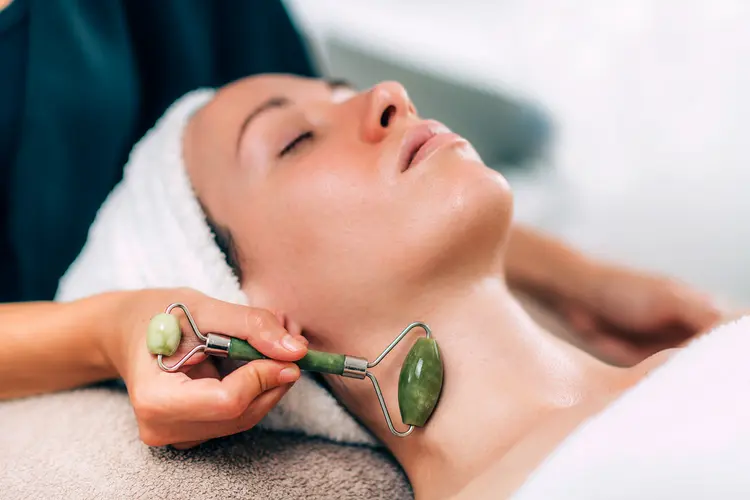
Lymphatic Drainage Massage

Flow,
not force.

Your body runs a quiet drainage system every second of the day. Lymphatic drainage massage works with it — gentle, rhythmic, unhurried — to ease swelling, lighten heaviness, and help fluid find its way home.

Reduces puffiness Eases heaviness Deeply calming
Lymphatic drainage massage at Massages Relief
Gentlepressure, by design
Scroll
100sof lymph nodes filtering daily
0pumps — it moves with you
4·2·6the breathing rhythm that helps
2–4weeks between wellness sessions
Understanding the system

Your body's quiet sanitation department.

Most people have heard of the lymphatic system, but very few know how it works — and once you understand it, everything about this massage makes much more sense. It is part of your immune and circulatory systems: a network of vessels, nodes, and organs working quietly in the background every single day. You do not feel it. You do not hear it. But it keeps your body balanced.

Picture your body as a busy city. Blood vessels are the highways delivering oxygen and nutrients. After every delivery, waste and extra fluid need clearing — and that is the lymphatic system's job. As blood moves through tiny capillaries, some fluid leaks into the surrounding tissue. Most returns to the bloodstream, but what stays behind becomes lymph: a clear, slightly milky fluid carrying water, proteins, fats, white blood cells, bacteria, and waste.

Thin vessels just beneath your skin carry that lymph toward hundreds of small, bean-shaped nodes in your neck, armpits, chest, abdomen, and groin. They filter out bacteria, viruses, and damaged cells, and activate immune cells to fight infection. Those swollen glands in your neck during a cold? That is your nodes working hard.

The system also connects closely with your cardiovascular system. After the nodes filter the fluid, it returns to the bloodstream near the heart, where waste is handed off to the liver and kidneys. So when people say drainage "supports detox," what they really mean is that it supports the transport system that carries waste to the organs already built to process it.
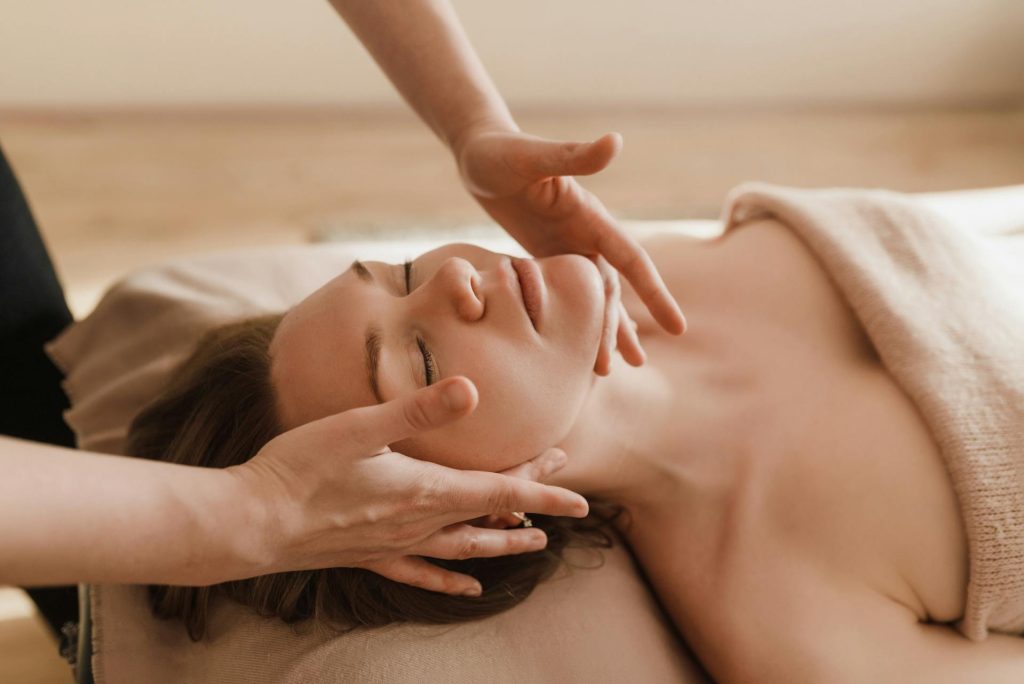
Gentle lymphatic drainage massage What lymph carries

Water · proteins · fats
white blood cells · waste

Every day this network moves fluid you never feel and clears waste you never notice — keeping tissues healthy and balanced in the background.

It even plays a role in nutrition: specialised vessels in your gut absorb dietary fats and fat-soluble vitamins. When flow slows, fluid lingers — the morning puffiness, the heavy legs by evening, the bloated middle after a salty week.

Morning puffinessFluid pooling overnight
Heavy legsSlower flow by evening
Bloated middleAfter a salty week
Tired under-eyesRetention around the face
Filters wasteSupports immunityBalances fluidAbsorbs nutrients
The map of flow

Hundreds of nodes. One direction.

Lymph nodes cluster in specific regions, and lymph always travels toward them. A good massage follows these natural pathways. Tap a region to see where it sits and what it does.

Flow improves when the body feels safe, mobile, and hydrated.

Neck & collarbone

Where every session begins

Major lymphatic ducts drain into the region near your collarbone and heart. Therapists open this area first — like clearing the main highway before moving traffic in from the side roads. When you have swollen glands during a cold, these are the nodes working hard to filter out infection.

The key difference

One has a pump.
The other has you.

Motion is the pump — every step, breath, and stretch nudges lymph upward toward the heart.

Blood

The heart pumps blood through your body with steady, automatic pressure. It never asks anything of you — it simply runs.

Powered by the heart

Lymph

Lymph has no pump. It relies on movement — muscles contracting, the chest expanding with each breath, the body shifting through the day. Even small movements matter.

Powered by motion

When you walk, your legs squeeze fluid upward. When you breathe deeply, pressure shifts in your chest draw it toward the heart. When you stretch or change position, lymph keeps circulating. Your daily habits either help your system — or slow it down.

When flow slows

Modern life doesn't always keep things moving.

When muscles stay still too long, lymph flow slows and fluid gathers in the tissue — the swelling also called edema. These everyday habits are the usual culprits behind mild, lifestyle-related puffiness.

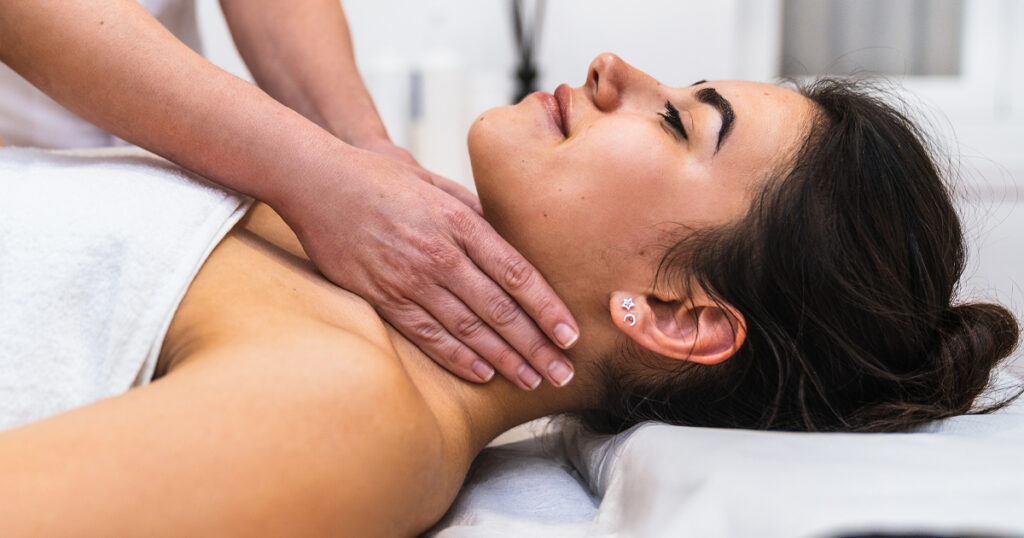
Relaxed lymphatic drainage massage session
Gentle movement keeps fluid flowing — stillness is what slows it down.
🪑
Long hours sittingInactive muscles stop pumping fluid upward
🧍
Standing stillLong shifts without real movement
✈️
Frequent travelPressure changes and stillness on planes
🧂
High salt intakePulls extra water into the tissues
😰
StressSlows circulation and fluid movement indirectly
😴
Poor sleepDisrupts the hormones that regulate fluid
💧
DehydrationThe body holds onto fluid as protection
🔄
Hormonal shiftsNaturally change how you retain fluid
What it really does

Subtle, honest benefits — not miracles.

When people search for lymphatic drainage massage, they usually want one thing: results. So here it is, clearly and honestly. This is fluid balance and circulation support — not fat loss, not a detox cure. Done well, the effects are gentle but meaningful, and they last longest when massage is part of a healthy lifestyle.

Lymphatic drainage massage technique
01

Reduced swelling & puffiness

The most common reason people book. Fluid retention can make the body feel heavy, the face look tired, and the legs feel tight by evening. Drainage moves trapped fluid toward the nodes, so swelling can ease. It is not fat loss — it is fluid balance — and for many people that alone makes a visible difference.

Ankles look less puffyRings fit betterDefined jawlineCalmer under-eyes
02

A lighter feeling in the body

Some benefits are physical rather than visual. People often describe feeling lighter afterward — not thinner, not dramatically different, just lighter. That heavy, sluggish, congested feeling in the legs or middle eases as fluid begins to circulate again.

After long flightsAfter car ridesHormonal bloatingSalty mealsStressful weeks
03

Support for post-surgery recovery

One of the more structured uses of drainage is after cosmetic procedures. Surgeons sometimes recommend it to manage the swelling that naturally follows surgery such as liposuction. It must be done by someone trained in post-surgical care — timing and technique matter, and too much pressure too early can cause harm. Done properly, it supports healing; it never replaces medical instructions.

Fewer fluid pocketsMore comfortSmoother healing
04

Improved skin appearance

Facial puffiness is something many people struggle with. Facial drainage can soften that morning swelling so skin looks more refreshed and the jawline a little sharper — which is why people book face sessions before weddings and events. Realistic expectations matter: it will not change bone structure or remove fat, it eases the fluid retention that softens facial contours.

Pre-event glowSofter contoursRested look
05

Stress reduction & nervous-system support

The slow rhythm of lymphatic drainage activates the parasympathetic nervous system — your "rest and repair" mode. Heart rate slows, breathing deepens, muscles soften, and stress hormones decrease. In a world where many people live in constant stress mode, this matters. Because stress itself feeds fluid retention, inflammation, and poor sleep, calming the body quietly supports many systems at once. Many people simply sleep better afterward, or feel emotionally lighter.

06

Immune system support

Your lymphatic system plays a real role in immune defence. Nodes filter harmful substances and white blood cells travel through lymph fluid. When flow is healthy, that immune surveillance runs smoothly. Does massage prevent illness? No. Does it support circulation and lymph movement? Yes. Think of it as maintaining the drainage system so nothing gets backed up.

07

Reduced bloating & abdominal discomfort

Fluid retention in the abdomen can create a bloated, pressured feeling. Gentle drainage supports abdominal fluid movement, and some people feel less tightness afterward. This is fluid-related bloating, not a treatment for digestive disease — but for mild retention it can help, especially paired with hydration and movement.

08

Support for leg heaviness

Leg sessions are very popular with people who stand all day or sit for long stretches. Heavy legs feel tired and tight; gentle drainage can improve comfort and reduce mild swelling. It is especially helpful after travel, in warm weather, or after hormonal changes — and works best combined with walking and stretching.

09

Temporary body-contour improvement

Styles like Brazilian lymphatic drainage focus on visible contour effects, aiming to reduce fluid retention for a smoother appearance. Clarity matters: the effect is usually temporary unless lifestyle keeps the balance, because salt, hydration, stress, and sleep all influence retention. Some people see visible shaping, but it is not permanent reshaping.

10

Emotional relief

People underestimate how physical heaviness affects mood. When the body feels swollen or tight, clothes feel uncomfortable and confidence can dip. When swelling reduces, people often feel more comfortable and relaxed in their own skin. That quiet psychological benefit genuinely matters.

The honest bottom line

Gentle, cumulative, real — never a miracle.

These benefits build with consistency and a healthy routine. The best next step is simply to see how a calm, guided session actually works.

See what happens in a session

What it is not

  • A weight-loss solution
  • A fat-removal treatment
  • A miracle detox
  • A cure for serious medical conditions

What it is

  • A supportive therapy
  • A circulation helper
  • A fluid-balance tool
  • A relaxation method
Inside a session

What actually happens.

Structured, slow, and gentle from start to finish. Pressure should never hurt — this is guided movement that follows your body's drainage patterns, not vigorous rubbing.

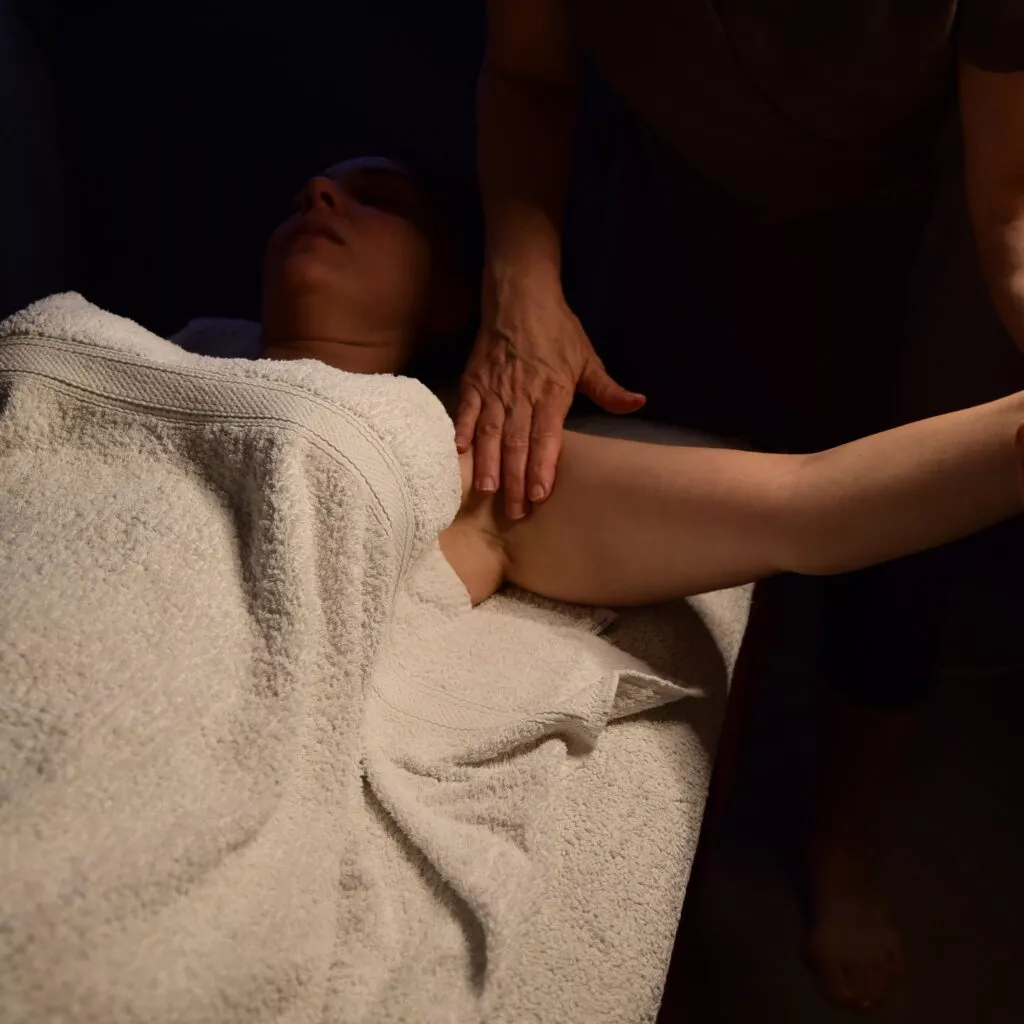
Therapist performing lymphatic drainage on the legs
Guided, not vigorous Slow, patterned strokes that follow the body's own drainage routes.
1

Consultation & health review

A proper session always begins with questions — health history, medications, surgeries, swelling areas, and goals. This is not small talk; it is safety. If you recently had surgery they need clearance details, if you have heart or kidney issues they must know, and if you have an active infection the session may need to wait. A good therapist never skips this part.

2

Comfortable setup

You lie down on a massage table, fully clothed or lightly draped depending on the area being treated. The room is calm and quiet, because the whole goal is to let your nervous system shift into a relaxed state. Your body must feel safe before it can release tension.

3

Opening the main drainage pathways

Most sessions begin near the neck and collarbone, because the major lymphatic ducts drain into this region near the heart. Think of it as clearing the main highway before moving traffic in from the side roads. The therapist uses light circular or pumping motions — it may feel repetitive, and that is completely normal.

4

Targeted drainage work

After opening the main pathways, the therapist works your concern areas, always following drainage patterns. For leg swelling they may start at the upper leg, move down, then guide fluid upward again. For facial puffiness they often start at the neck before moving to the jaw and cheeks. For full-body work they move methodically from region to region. The strokes stay slow, light, and patterned — structured movement, not random rubbing.

5

Monitoring comfort

Throughout the session the therapist checks in on how you feel. Pressure should never be painful — if anything is uncomfortable, you speak up. You may feel warmth, mild tingling, deep relaxation, or sleepiness. All of these are common and welcome.

6

Gentle closing strokes

At the end, the therapist returns to the central drainage areas one more time to reinforce the flow pattern. You are given a moment to rest before sitting up slowly. Never rush off the table — your body has just shifted into a deeply relaxed state.

After the table

The return is part of the work.

Aftercare matters as much as the session. The simple rule: keep your body calm and hydrated for one day, and let the flow you started keep moving.

🧘

Sit up slowly

Relaxation can lower your blood pressure slightly. Take your time leaving the table so you do not feel light-headed.

💧

Drink water

Hydration supports circulation. Do not chug a huge amount — just sip normally throughout the day.

🚶

Move lightly

A gentle 10–20 minute walk helps maintain lymph flow. Avoid intense workouts for at least 24 hours.

🧂

Ease off salt & alcohol

Salt pulls water into the tissues and alcohol dehydrates you — both quietly reduce the benefits. Keep the body calm and hydrated for one day.

😴

Rest well

Sleep supports repair. Many people feel slightly tired after a session, and that is completely normal.

👂

Notice your body signals

You may urinate more often, feel thirsty, or simply feel lighter. These are normal signs that fluid is moving. If you feel dizziness, fever, unusual swelling, or pain, contact a medical professional.

Care & cadence

Gentle — but not for everyone, anytime.

When to wait or check first

Lymphatic drainage is gentle, but safety still matters. Check with a doctor first if you have any of these:

!Active infection with fever
!Untreated blood clots
!Severe heart failure
!Kidney disease without medical approval
!Certain cancers without doctor guidance

Side effects are usually mild — light fatigue, a mild headache, or more frequent urination — and pass within a day. If anything feels severe or lingers, seek advice. And never let anyone use aggressive pressure and call it drainage; that is the wrong technique. Lymphedema — when nodes are damaged or removed by surgery or radiation — is more serious than everyday puffiness and needs trained, medical management.

How often to go

Consistency matters more than intensity. More is not always better.

General wellnessOnce every 2–4 weeks is common
Travel or event prepOne session before and one after
Post-surgery recoveryStrictly on your surgeon's schedule
Chronic swellingOften weekly at first, guided by a therapist

On cost: prices vary by location and therapist experience, and longer or specialised recovery sessions cost more. Before booking a package, try a single session first — quality matters more than price.

Choosing well

The best therapist isn't the loudest marketer.

It comes down to training and safety. If someone promises dramatic, permanent body shaping in a single session — be cautious. A good therapist sets realistic expectations.

The Massages Relief therapy team
Certification in proven lymphatic techniques
Experience with your specific concern
Clear explanation of the whole process
A clean calm, professional environment
Respect for your full health history

Questions worth asking

  • Q. How long have you practiced?
  • Q. Are you trained in post-surgical care?
  • Q. What pressure do you use?
  • Q. What results can I realistically expect?
Between sessions

Gentle self-massage you can do at home.

Self lymphatic drainage is possible for maintenance. Keep it very light, always working toward the central drainage areas — and remember it supports professional sessions rather than replacing them when medical care is needed.

Stay gentle

Always move toward the central drainage areas like the neck and armpits. Never press hard — the vessels sit just under the skin and respond to the lightest touch.

Pair it with movement

Combine self-massage with walking, stretching, and deep breathing. These keep the natural pump working between sessions.

Use a simple oil

A little lymphatic drainage oil helps your hands glide smoothly. Choose simple oils without heavy fragrance.

Know the limits

Home care supports professional sessions and daily maintenance — but it does not replace trained hands when medical care is needed.

The foundation

Massage is support. Lifestyle is the foundation.

Drainage works best when it is not a one-time fix. Your lymphatic system thrives on rhythm and depends on your daily habits. These five pillars keep flow moving between sessions — small habits, repeated daily, beat occasional intense efforts.

01

Daily movement is non-negotiable

You do not need intense workouts — you need consistent movement. Walking is one of the best ways to support lymph flow: when your calf muscles contract, they push fluid upward, and even 20–30 minutes a day makes a difference. Stretching, gentle yoga, light mobility work, and simple ankle rotations all help. If you sit for work, stand up every hour — even two minutes of walking counts. Movement is the natural pump your lymph system depends on.

02

Deep breathing techniques

Most people breathe shallowly, which limits chest expansion. Deep breathing creates pressure changes inside the body that help move lymph upward toward the heart. Inhale slowly through your nose for four seconds, hold for two, then exhale slowly for six. Repeat for five minutes. This simple habit supports relaxation and lymph movement at the same time.

03

Hydration strategy

Your body needs water for proper circulation, and when you are dehydrated it may hold onto fluid as protection. Drink consistently through the day rather than waiting until you feel very thirsty. You do not need extreme amounts — just steady intake that supports fluid balance and the benefits of each session.

04

Manage salt intake

High salt pulls water into the tissues and can increase swelling. You do not need to remove salt completely — just avoid excessive processed foods and focus on whole foods where you can. If you notice swelling after a salty meal, drink water and move gently the next day.

05

Sleep & stress control

Sleep regulates the hormones that control fluid balance, while poor sleep raises stress hormones that drive inflammation and retention. Aim for consistent hours in a dark, cool room. Manage stress with meditation, slow breathing, and gentle movement. Massage supports relaxation — but your daily stress habits need attention too.

Try it now

Breathe your lymph upward.

Deep breaths change the pressure in your chest and draw lymph toward the heart. Follow the circle: in for four, hold for two, out for six. Repeat for five minutes.

Breathe in

Inhale 4 · Hold 2 · Exhale 6

Make it a routine

Build drainage into your wellness plan.

Here is how to fit lymphatic drainage into real life, depending on what you need from it.

For general wellness

Book once every three to four weeks, maintain daily walking, and hydrate consistently. This creates a steady maintenance rhythm your body can rely on.

For travel recovery

Book one session before travel if you can and another after returning, and walk during travel breaks. Long flights slow circulation, so plan ahead.

For facial puffiness

Schedule sessions before major events, avoid salty meals the night before, and sleep well. Facial fluid retention often responds quickly when lifestyle supports it.

For post-surgical recovery

Follow your surgeon's guidelines strictly, choose trained therapists only, and attend sessions on schedule. Never rush the process — healing takes time.

Common mistakes to avoid

A smart approach brings better long-term results.

1Expecting dramatic, permanent change after a single session.
2Skipping hydration afterward, which reduces the results.
3Choosing untrained providers who offer aggressive pressure.
4Ignoring medical conditions and skipping the consultation.
Setting it straight

Myths, gently corrected.

Clarity builds trust, and trust builds better decisions.

Myth

It melts fat away.

Truth

It reduces fluid retention — not body fat.

Myth

Stronger pressure works better.

Truth

Gentle pressure works best for delicate lymph vessels.

Myth

It detoxes everything instantly.

Truth

It supports transport; the liver and kidneys do the detox work.

Myth

It can replace exercise.

Truth

It supports circulation but never replaces real movement.

Good to know

Frequently asked.

Some people notice reduced puffiness after a single session; others need several. Results depend on lifestyle, hydration, and overall health.

It is safe for most healthy individuals. People with infections, blood clots, heart failure, or kidney disease should consult a doctor first.

It may reduce fluid-related bloating. It does not treat digestive disorders, but it can ease mild water-retention discomfort.

Results vary. When lifestyle habits support fluid balance, effects may last longer. Poor hydration and high salt intake can shorten them.

It does not remove fat. It may reduce water retention, which can temporarily change body measurements.

Yes — but not on the same day as intense deep-tissue work. Allow your body time to recover between different treatments.

Yes, when performed gently by a trained professional. It may reduce puffiness and improve skin appearance.

For maintenance, every two to four weeks works for many people. Recovery plans depend on medical guidance.

Drink water, move lightly, avoid alcohol and salty food, and rest if you need to.

Look for certification, experience, clear communication, and a proper health intake process before treatment begins.

Massages Relief Blog

Continue learning from the blog.

Explore practical massage, lymphatic drainage, aftercare, safety, and wellness guides from Massages Relief.

Open full blog archive

Think of your body as a system that needs flow, not force.

Start gently. Notice how you feel over two days. Support it with movement, water, and rest — and let the rhythm do the work.

Back to the top