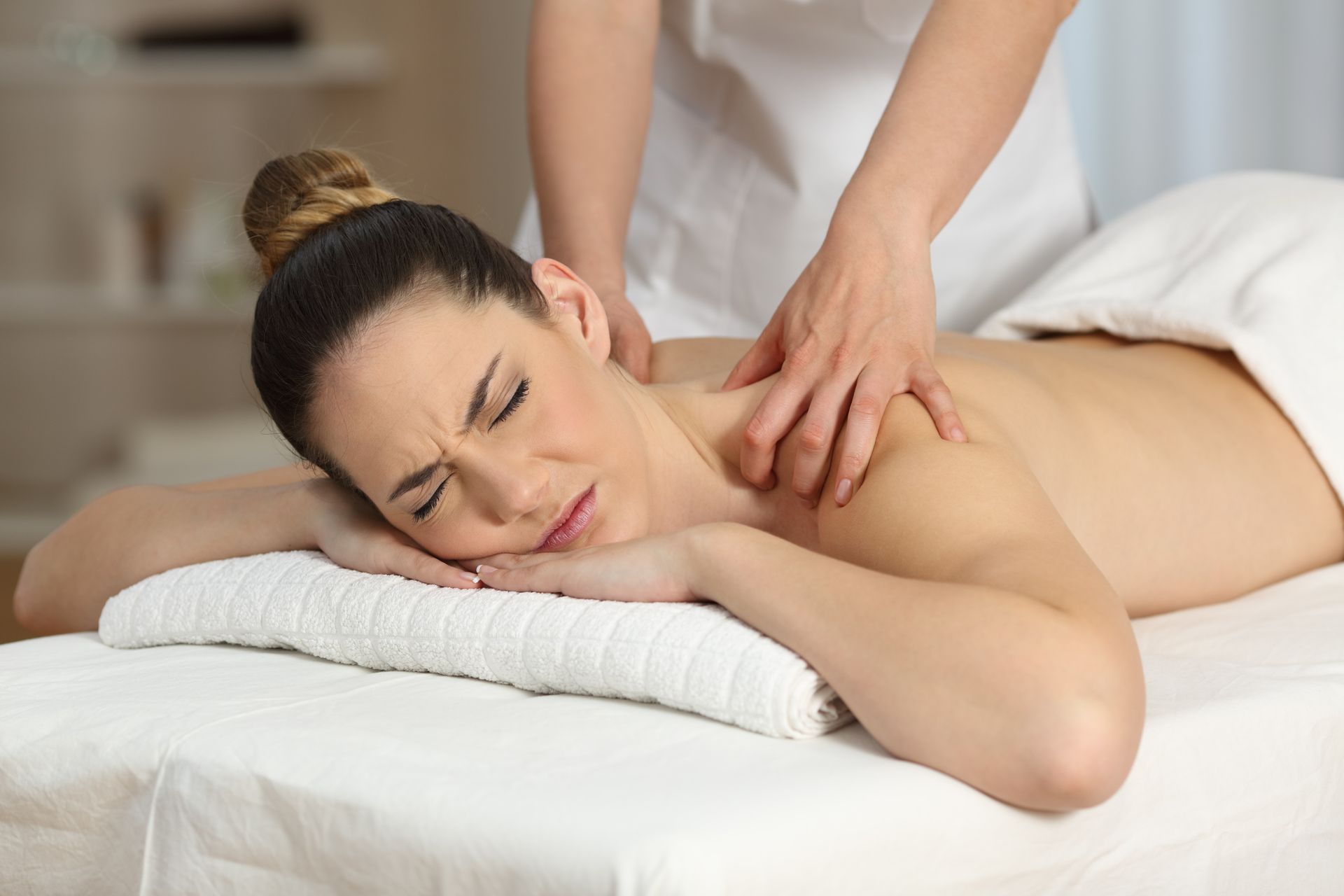
If you’re searching for “maternity massage,” chances are your feet are heavier than they used to be, your lower back has an opinion by 3pm, and someone told you a massage might help. It can. But pregnancy changes how a massage should be done, which means maternity massage isn’t just a regular massage with a pillow under your belly. It’s its own approach, with its own techniques, precautions, and timing.
Here’s what maternity massage actually is, what it helps with, what a session looks like, and what to know before you book one.
What Is Maternity Massage?
Maternity massage, also called prenatal massage, is a massage technique adapted specifically for the physical changes of pregnancy. It uses gentler pressure than a typical deep tissue session, different positioning to protect you and your baby, and a therapist trained to know which areas need a lighter touch or none at all.
The goal isn’t just relaxation, although that’s part of it. Maternity massage is built to address the specific discomforts of carrying a baby: swelling, lower back pain, hip tension, and the general heaviness that comes with a body doing an enormous amount of work.
Why Pregnant Bodies Need a Different Approach
Your body during pregnancy isn’t just carrying extra weight. It’s producing more blood volume, retaining more fluid, shifting its center of gravity, and adjusting its posture to accommodate a growing uterus. All of that creates very specific patterns of tension and swelling that a general massage isn’t designed to address.
Common physical changes that maternity massage responds to include:
| Change During Pregnancy | What It Feels Like |
|---|---|
| Increased fluid retention | Swollen feet, ankles, hands, and face |
| Shifted center of gravity | Lower back and hip strain |
| Loosened ligaments | Pelvic instability and achiness |
| Growing uterus | Pressure on the lower back and sciatic nerve |
| Hormonal changes | Fatigue, tension headaches, disrupted sleep |
A trained maternity massage therapist knows how to work with these changes rather than around them.
Positioning: The Part Most People Don’t Expect
One of the biggest differences between a regular massage and maternity massage is how you’re positioned on the table.
Lying flat on your stomach becomes uncomfortable, and often impossible, as your belly grows. Lying flat on your back for extended periods after the first trimester can also put pressure on major blood vessels, which can reduce blood flow to you and your baby.
Because of this, most maternity massage sessions have you lying on your side, supported by pillows or a specially designed pregnancy bolster, or sitting in a semi-reclined position. It might feel different from massages you’ve had before, but it’s one of the most important safety details of the whole session.
Areas That Get Extra Caution
A well-trained maternity massage therapist will approach a few specific areas with extra care, or avoid them altogether:
- The abdomen. Light stroking is generally fine, but firm pressure on the belly is avoided.
- Certain pressure points. Specific points near the ankles and between the thumb and index finger are traditionally linked to uterine stimulation, so trained therapists steer clear of deep pressure there.
- The legs, if there’s any swelling or clotting risk. Deep tissue work on the legs is generally avoided since pregnancy increases the risk of blood clots, and a vigorous massage in that area isn’t worth the risk.
None of this means your massage will feel restricted or clinical. It just means the therapist is working with a map that accounts for your changing body.
What Maternity Massage Actually Helps With
The discomforts of pregnancy are real, and maternity massage is one of the more effective non-medical ways to manage several of them.
- Lower back and hip pain, which is one of the most common complaints as the belly grows and posture shifts
- Swelling in the legs, ankles, and feet, especially by the third trimester
- Tension headaches and shoulder tightness, often made worse by changes in posture
- Sciatic discomfort, caused by pressure on the sciatic nerve as the uterus grows
- General stress and anxiety, which many expecting parents experience regardless of how the pregnancy is going
- Sleep quality, since reduced tension and swelling often make it easier to get comfortable at night
Some of these overlap directly with what lymphatic drainage massage addresses, which is why many maternity massage sessions borrow lymphatic techniques specifically to manage swelling. If you’re dealing with noticeable puffiness rather than just muscle tension, it’s worth reading our guide on whether you can get lymphatic drainage massage while pregnant, which goes deeper into that specific technique and its safety during each trimester.
Is Maternity Massage Safe?
For most healthy pregnancies, yes. Many practitioners prefer to wait until after the first trimester before booking a session, mainly out of caution during the highest risk window for miscarriage, even though there’s no strong evidence that a properly performed massage causes one.
That said, you should talk to your doctor or midwife before booking if you have any of the following:
- A high-risk pregnancy
- A history of preterm labor
- Preeclampsia or high blood pressure
- Gestational diabetes with complications
- A known clotting disorder
If none of that applies to you, a massage from a therapist trained in prenatal techniques is considered a low-risk, often genuinely helpful part of prenatal care.
What a Maternity Massage Session Actually Looks Like
A typical session starts with a short conversation. Your therapist will ask how far along you are, what’s bothering you most, and whether you have any complications or areas of concern. This isn’t a formality. It shapes the entire session.
From there, you’ll be positioned on your side with supportive pillows, or in a reclined position if that’s more comfortable. The massage itself usually focuses on the lower back, hips, shoulders, neck, and legs, using techniques like gentle kneading, long flowing strokes, and light pressure work rather than deep tissue methods.
Sessions typically run about 60 minutes, though some practices offer shorter or longer options depending on what you need that day.
How Often Should You Get Maternity Massage?
This depends on what you’re managing. Some people book a session every few weeks purely for stress relief and general comfort. Others, particularly those dealing with significant swelling or back pain, come in more frequently as their due date approaches.
If you want a clearer sense of a healthy cadence, our guide on how often you should have lymphatic drainage massage covers frequency guidelines that apply well to pregnancy related swelling specifically, alongside general wellness use.
What About Cost?
Pricing varies quite a bit depending on your location, the length of the session, and whether you’re seeing a specialized prenatal therapist or a general massage therapist with prenatal training. If budgeting matters to your decision, our breakdown of how much lymphatic drainage massage costs gives a useful sense of typical pricing ranges, since many maternity sessions that focus on swelling fall into a similar range.
What About After the Baby Arrives?
Maternity massage doesn’t have to end at delivery. Postpartum massage, sometimes using the same lymphatic techniques mentioned earlier, can help your body manage the fluid shifts, swelling, and physical recovery that follow birth, whether you delivered vaginally or by C-section.
If you had a C-section specifically, recovery involves its own considerations around incision care and swelling. Our guide on post-op lymphatic drainage massage walks through what that kind of recovery focused massage looks like, which applies closely to postpartum healing as well.
Common Myths About Maternity Massage
“Massage can trigger labor.” There’s no solid evidence that a properly performed maternity massage induces labor. The caution around certain pressure points is based on traditional belief more than confirmed clinical risk, but trained therapists avoid them anyway, simply to stay on the safe side.
“You shouldn’t get a massage in the first trimester.” Many practitioners prefer to wait, mainly out of general caution during early pregnancy rather than documented danger. If you’re eager for relief earlier on, talk to your doctor and find a therapist experienced with early pregnancy sessions.
“Any massage therapist can safely give a maternity massage.” Not quite. General massage training doesn’t automatically include prenatal positioning, pressure guidelines, or contraindications. Always ask about specific prenatal training before booking.
Frequently Asked Questions
Is maternity massage the same as lymphatic drainage massage? Not exactly. Maternity massage is a broader category focused on pregnancy related muscle tension and comfort, while lymphatic drainage is a specific technique focused on fluid movement and swelling. Many maternity sessions blend both, especially in the third trimester when swelling becomes more noticeable.
When should I start getting maternity massage? Most practitioners recommend waiting until after the first trimester, though this is more a precaution than a strict rule. Talk to your doctor if you’d like to start earlier.
Can my partner give me a maternity massage at home? Yes, with some care. Stick to gentle pressure, avoid the abdomen and the specific pressure points mentioned above, and keep you positioned on your side rather than flat on your stomach or back.
Will maternity massage help with swelling in my feet and ankles? Often, yes, especially when the session includes lymphatic drainage techniques. Swelling in the lower body is one of the most common reasons people book maternity massage in the third trimester.
Is it safe to continue maternity massage right up until my due date? For most low-risk pregnancies, yes. Some therapists prefer lighter sessions in the final weeks, so it’s worth asking your provider what they recommend as you get closer to your due date.
The Bottom Line
Maternity massage is one of the more effective, low-risk ways to manage the aches, swelling, and stress that come with pregnancy, as long as it’s done by someone trained in prenatal techniques and you’ve cleared it with your doctor if you have any complications. Positioning, pressure, and timing all matter more than they would in a regular massage, but the payoff, less swelling, less tension, and genuinely better sleep, is worth the extra care.


