
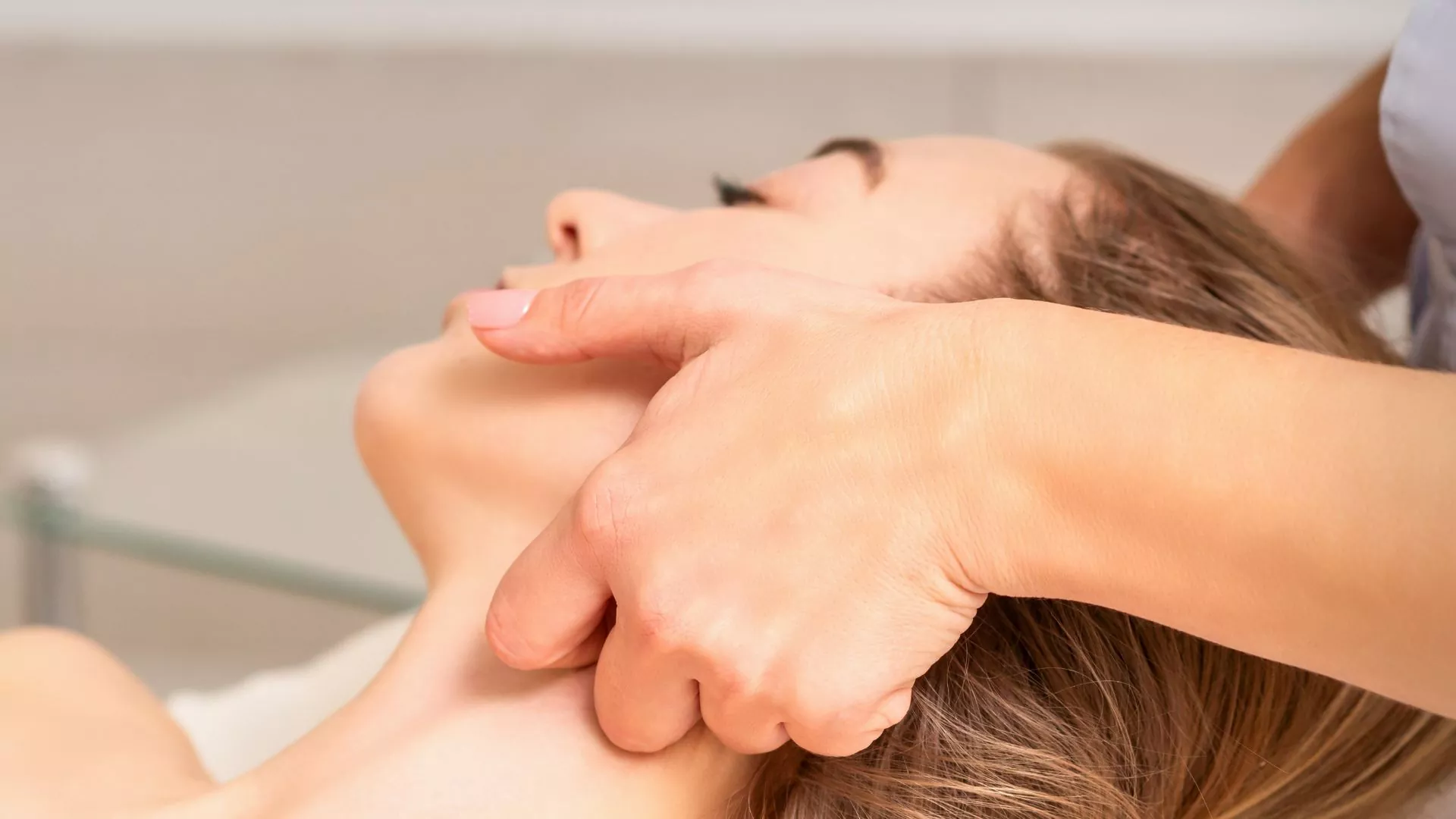
Yes, for a lot of people it can. Not always, and not dramatically, but a change in bowel habits after a lymphatic drainage session is common enough that it shouldn’t surprise you. It isn’t a side effect in the worrying sense. It’s usually a sign that your body is doing exactly what the massage was designed to encourage: moving fluid, calming your nervous system, and waking up a gut that’s been sitting quiet all day.
Here’s the honest, physiology based explanation of why that happens, what’s normal, and what should make you pause and check with a doctor.
Your gut and your lymphatic system are more connected than most people realize
The lymphatic system doesn’t just run through your neck, armpits, and legs. It also has a dense network running through your abdomen and small intestine, where it plays a real role in absorbing dietary fat and supporting immune function in your gut lining. That’s part of why abdominal work shows up in almost every full body lymphatic drainage session, not just the ones focused on bloating.
So when a therapist works your abdomen during a session, they aren’t just targeting lymph nodes. They’re working directly over the same territory as your digestive system, which sits right underneath.
Why the massage itself can trigger a bowel movement
A few different things are happening at once during a session, and any one of them on its own could explain why you feel the urge to go afterward.
Your nervous system shifts into rest and digest mode. Lymphatic drainage is slow and rhythmic on purpose. That rhythm activates your parasympathetic nervous system, the “rest and digest” state your body needs to actually move things through your gut efficiently. A small clinical trial comparing manual lymphatic drainage, abdominal massage, and electrical stimulation for constipation found that lymphatic drainage produced meaningful improvements in nervous system balance, and that those improvements were linked to increased bowel movement frequency. In plain terms, calming your body down is part of what gets things moving.
The abdominal work physically wakes up your gut. Many sessions include gentle abdominal strokes paired with deep, diaphragmatic breathing. That combination can make your stomach gurgle, shift, and occasionally send a clear signal that it’s time to find a bathroom. This is a known, fairly common response, not a malfunction.
Fluid is genuinely moving. The entire point of the massage is to help trapped fluid find its way back into circulation and out of the body. Some of that fluid leaves through urine. Some of it can affect stool consistency too, especially if you were a little dehydrated or backed up going into the session.
Pressure relief changes how things feel. If you were already carrying some bloating or abdominal tightness, releasing that pressure can make it easier for your body to move a bowel movement along that was sitting there anyway.
What’s normal and what’s a bit much
Most of the time, this shows up as one of the following in the hours after your session:
- A stronger than usual urge to use the bathroom
- Looser stool than your normal baseline
- More frequent bowel movements that day
- Mild stomach gurgling during or right after the massage
All of that fits comfortably within “normal.” Where it’s worth paying attention is if you experience true diarrhea that lasts more than a day, cramping that doesn’t ease up, or any bleeding. Those aren’t typical reactions to a properly performed session, and they’re worth a call to your therapist or doctor rather than something to wait out.
It’s also worth knowing that the opposite can happen. If you urinate more after your session and don’t rehydrate well, stools can actually firm up rather than loosen. Your body’s fluid balance genuinely shifts either direction depending on how you take care of yourself afterward, which is exactly why aftercare matters as much as the session itself.
Why hydration afterward matters more than people expect
If there’s one thing that determines which way your digestion goes after a session, it’s water. Your lymphatic system is releasing fluid it had been holding onto. If you don’t replace that fluid, your body can pull water from wherever it can find it, including your stool, which leads to harder, slower bowel movements instead of the relief you were hoping for.
The fix is simple. Drink water steadily through the rest of the day. You don’t need to force down an extreme amount at once. Just don’t skip it because you feel fine.
Is this actually a benefit, or just a side effect?
Both, honestly, depending on what you came in for. If you deal with occasional constipation or sluggish digestion, a session that gets things moving is a welcome benefit, not an inconvenience. Some clients specifically mention bloating or irregular bowel habits during their consultation because they want the digestive support, not just the puffiness relief.
If you weren’t expecting it and it catches you off guard mid-afternoon, that’s simply your body responding the way it’s designed to. Either way, it’s a sign your lymphatic system and gut are communicating, which is the whole point of the treatment.
A few honest myths to clear up
Myth: The massage is “flushing toxins” through your bowels. Truth: Your liver and kidneys handle the actual detox work. The massage supports the transport system that gets fluid to those organs. It isn’t pushing toxins out through your intestines directly.
Myth: If you don’t poop afterward, the massage didn’t work. Truth: Plenty of people notice reduced puffiness, lighter legs, or a calmer nervous system with no change in bowel habits at all. A bowel movement isn’t the marker of a successful session.
Myth: More pressure means more of an effect on digestion. Truth: Lymphatic vessels sit just under the skin and respond to light pressure. Heavier pressure doesn’t produce a stronger digestive response. It just risks discomfort, and it isn’t the right technique for this type of massage.
How to support your digestion around a session
A little preparation and aftercare go a long way, and none of it is complicated.
- Drink water consistently in the hours before and after your appointment
- Avoid a heavy, salty meal right before your session
- Take a short, gentle walk afterward if you can, since movement supports both lymph flow and digestion
- Give yourself a little buffer time after the appointment rather than rushing straight into your next commitment
When to check with a doctor
Occasional loose stool or an unexpected trip to the bathroom after a session isn’t a red flag. What is worth a call to a healthcare provider:
- Diarrhea that continues beyond a day
- Severe or worsening abdominal pain
- Any blood in your stool
- Fever or signs of illness alongside digestive changes
These aren’t typical reactions to lymphatic drainage, and a good therapist would rather you check with a doctor than assume it’s related to the massage.
The honest bottom line
A change in bowel movements after lymphatic drainage massage is a real, well documented response, not something to be alarmed about. It comes down to your nervous system settling into a calmer state, gentle abdominal work waking up your gut, and fluid genuinely shifting through your body. Stay hydrated, move a little afterward, and let your body do what it’s designed to do. If anything feels off beyond a day, that’s the moment to reach out to a professional rather than wait it out.


