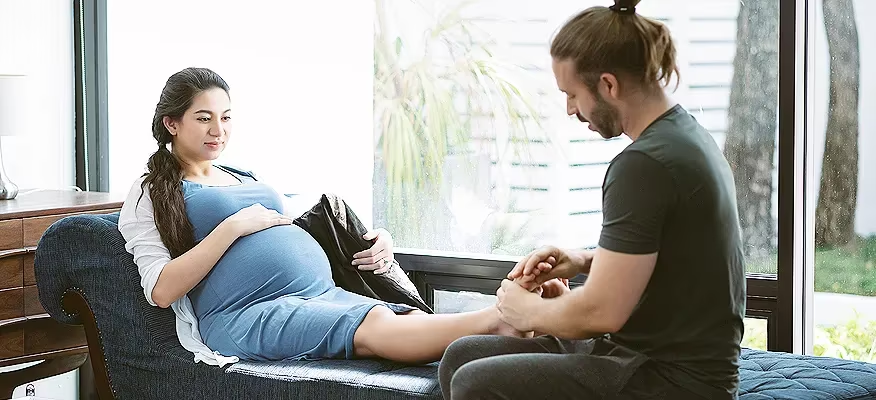

Post op lymphatic drainage massage is a specialized technique many people look into after surgery when swelling, tightness, and fluid buildup start to appear. Surgical procedures—especially cosmetic or body contouring surgeries—can disrupt the body’s normal lymphatic flow. When this happens, fluid can collect under the skin, creating puffiness, discomfort, and slower healing. Post op lymphatic drainage massage is designed to gently guide that excess fluid through the lymphatic system so the body can eliminate it naturally.
This type of massage is not a typical spa treatment. It is a therapeutic technique that supports recovery and should always be performed by a trained professional who understands post-surgical care.
What Happens to the Lymphatic System After Surgery
To understand the purpose of post op lymphatic drainage massage, it helps to know what surgery does to the body internally.
During surgery:
-
Tissue is cut or repositioned
-
Small lymph vessels may be disrupted
-
Inflammation increases
-
Fluid accumulates in the surgical area
This fluid buildup is part of the body’s natural healing response, but when it lingers too long, it can cause swelling, firmness, and discomfort.
The lymphatic system normally removes this excess fluid, but after surgery it often needs extra support.
What Post Op Lymphatic Drainage Massage Does
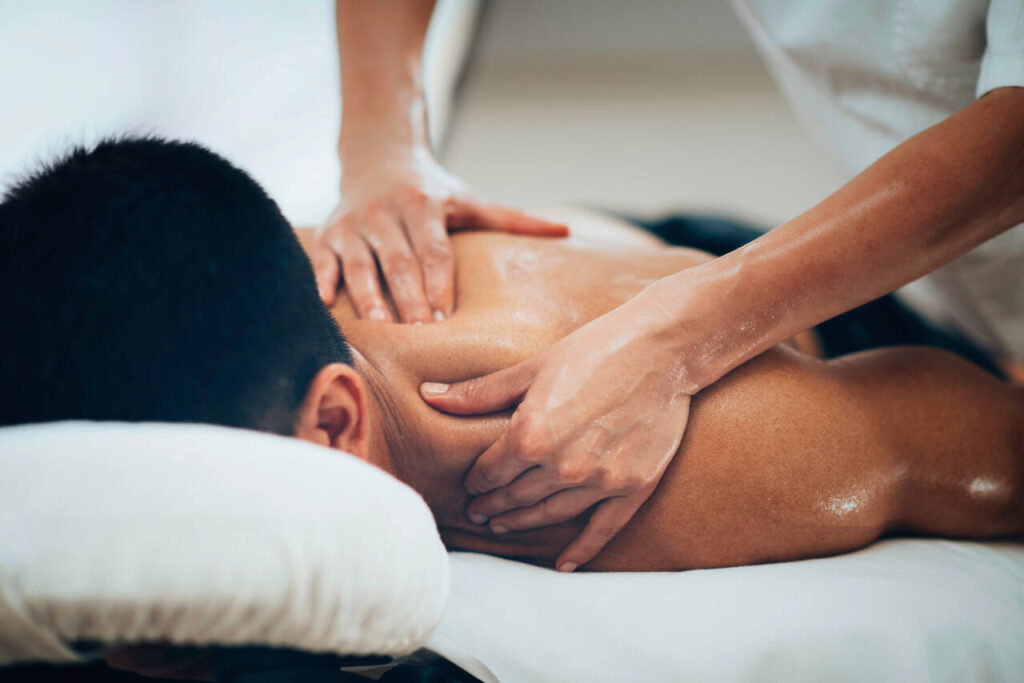
Post op lymphatic drainage massage uses very gentle, rhythmic movements to encourage lymph fluid to move toward healthy lymph nodes. From there, the body processes and removes the fluid through its natural filtration systems.
This helps:
-
Reduce swelling
-
Prevent fluid buildup (seromas)
-
Improve circulation
-
Support faster healing
-
Increase comfort during recovery
The massage does not force fluid out of the body. Instead, it supports the natural pathways the body already uses.
Common Surgeries That Use Post Op Lymphatic Drainage Massage
While lymphatic drainage can be beneficial after many procedures, it is most commonly recommended after surgeries that involve significant tissue manipulation.
These procedures often include:
-
Liposuction
-
Tummy tuck (abdominoplasty)
-
Brazilian butt lift (BBL)
-
Breast augmentation or reduction
-
Body contouring surgeries
-
Facial cosmetic surgery
In these cases, lymphatic drainage massage is often included as part of the recovery plan.
When to Start Post Op Lymphatic Drainage Massage
Timing is extremely important after surgery.
Most surgeons recommend starting post op lymphatic drainage massage within a few days to one week after surgery, depending on the procedure and individual recovery progress.
However:
-
Some patients begin as early as 48 hours after surgery
-
Others may need to wait longer
-
The surgeon’s guidance always comes first
Starting too early or too aggressively can interfere with healing, so professional supervision is essential.
What a Post Op Lymphatic Drainage Massage Session Feels Like
Many people expect the massage to feel intense because surgery recovery can be uncomfortable. In reality, lymphatic drainage massage is one of the gentlest massage techniques available.
During a session:
-
Movements are slow and rhythmic
-
Pressure is very light
-
The therapist follows specific lymphatic pathways
-
The focus is on drainage rather than muscle work
Even though the pressure is light, the effects can be noticeable, especially when swelling begins to decrease.
Benefits of Post Op Lymphatic Drainage Massage
Post op lymphatic drainage massage offers several recovery benefits that go beyond simply reducing swelling.
Reduces Post-Surgical Swelling
Swelling is a normal part of healing, but excessive swelling can slow recovery. Lymphatic drainage helps move trapped fluid out of tissues more efficiently.
Prevents Fluid Buildup
Some surgical patients develop pockets of fluid called seromas. Regular lymphatic drainage can help reduce the risk of these forming.
Improves Comfort
As swelling decreases, patients often experience less tightness, pressure, and discomfort.
Supports Better Healing Results
When fluid moves properly and inflammation decreases, the final surgical results may appear smoother and more natural.
How Many Sessions Are Usually Needed
The number of post op lymphatic drainage massage sessions varies depending on the procedure and individual healing speed.
Typical recommendations may include:
-
Several sessions during the first two weeks
-
Gradual reduction in frequency as swelling decreases
-
Follow-up sessions if fluid retention returns
Many recovery plans include multiple sessions during the first month after surgery.
Areas That Are Treated During Post Op Massage
The therapist does not only focus on the surgical site. They often work on nearby lymphatic pathways to encourage proper drainage.
For example:
-
After abdominal surgery, drainage may begin near the chest and lymph nodes before approaching the abdomen
-
After facial surgery, the neck and collarbone areas may be stimulated first
This approach helps create space in the lymphatic system so fluid can move effectively.
Important Safety Considerations
Post op lymphatic drainage massage should always be performed by someone trained in post-surgical lymphatic therapy.
Safety considerations include:
-
Avoiding direct pressure on healing incisions
-
Monitoring swelling patterns
-
Adjusting techniques based on healing progress
-
Following surgeon recommendations
Untrained massage techniques can disrupt healing tissues or cause complications.
Signs Lymphatic Drainage Massage Is Helping
When post op lymphatic drainage massage is working well, patients often notice gradual improvements.
Common signs include:
-
Reduced swelling
-
Softer tissue around the surgical area
-
Increased comfort and mobility
-
A lighter feeling in the body
These changes typically appear over multiple sessions rather than instantly.
Supporting Your Recovery Between Sessions
Massage works best when combined with good recovery habits.
Helpful practices include:
-
Staying hydrated
-
Wearing compression garments if recommended
-
Walking lightly to stimulate circulation
-
Following post-surgical care instructions
These steps help maintain lymphatic movement between sessions.
When Post Op Lymphatic Drainage Massage Should Be Delayed
In certain situations, lymphatic drainage massage may need to be postponed.
Examples include:
-
Active infection
-
Fever
-
Blood clots
-
Uncontrolled pain
-
Surgical complications
Medical clearance is always the safest approach before starting treatment.
Choosing a Qualified Post-Surgical Lymphatic Therapist
Not all massage therapists are trained in post-surgical care.
A qualified therapist should:
-
Have certification in lymphatic drainage
-
Understand surgical recovery protocols
-
Communicate with your surgeon if needed
-
Conduct a full health intake before treatment
Proper training makes a major difference in safety and results.
Final Thoughts
Post op lymphatic drainage massage can be an important part of the healing process after surgery when performed correctly and at the right time. By gently supporting the body’s natural drainage system, this specialized technique helps reduce swelling, improve comfort, and support smoother recovery.
When combined with proper medical guidance and recovery care, post op lymphatic drainage massage can make the healing experience more manageable and may help patients feel more comfortable as their bodies return to balance.