
Introduction
Lymphatic drainage massage has become increasingly popular in recent years. From wellness clinics and physical therapy centers to luxury spas and post-surgery recovery programs, more people are discovering the benefits of this gentle therapy. But once someone experiences the treatment, a practical question naturally follows: how often should you get a lymphatic drainage massage?
The answer is not always the same for everyone. Frequency depends on several factors including your health goals, whether you are recovering from surgery, your current level of swelling or fluid retention, and the overall condition of your lymphatic system.
Some people benefit from occasional sessions for relaxation and wellness, while others may need more frequent treatments to manage medical conditions or post-surgical swelling. Understanding the right schedule is important because lymphatic drainage works best when it supports the body’s natural rhythm of fluid movement rather than forcing dramatic changes all at once.
This guide explains how often lymphatic drainage massage should be performed in different situations. You will learn how treatment frequency varies for general wellness, post-surgery recovery, fluid retention, and chronic conditions. By the end, you will have a clear understanding of how to create a treatment schedule that works best for your body.
Understanding How the Lymphatic System Works
To understand how often lymphatic drainage massage should be done, it helps to first understand what the lymphatic system actually does.
The lymphatic system is a network of vessels, lymph nodes, and organs that plays a critical role in immune defense and fluid balance. It transports a clear fluid called lymph, which contains white blood cells, proteins, and waste materials collected from tissues throughout the body.
Unlike blood circulation, which is powered by the heart, the lymphatic system does not have a central pump. Instead, lymph fluid moves through vessels with the help of muscle contractions, breathing, and body movement. When the system works efficiently, it helps remove waste products and excess fluid from tissues.
However, the lymphatic system can sometimes become sluggish. This may happen because of surgery, illness, inflammation, lack of movement, or prolonged sitting. When lymph fluid does not move properly, it can accumulate in tissues and cause swelling, heaviness, or discomfort.
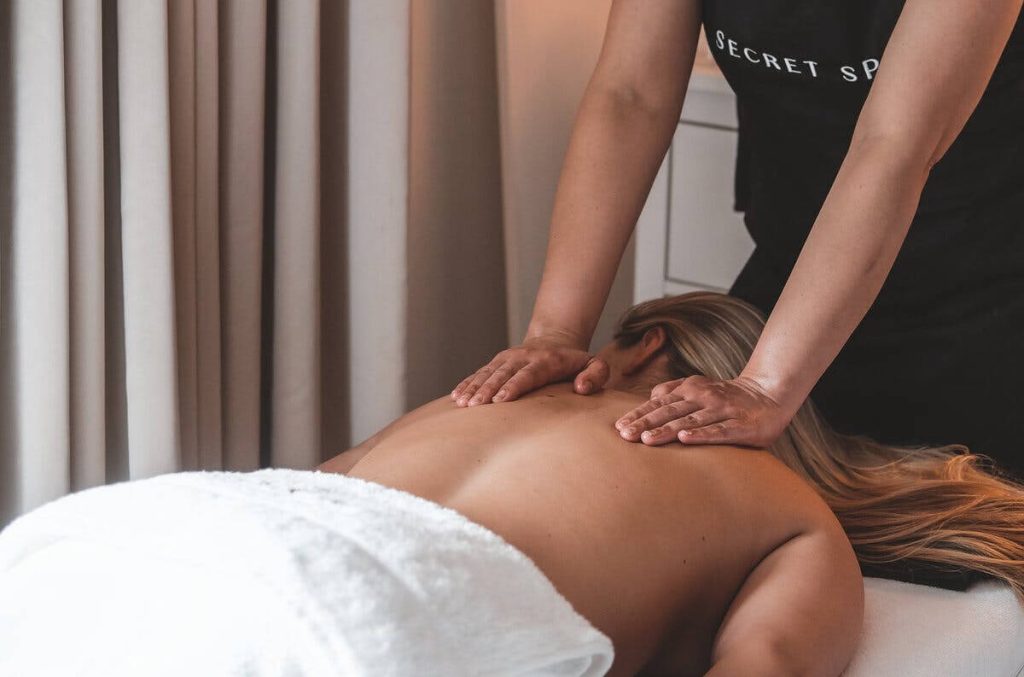
Lymphatic drainage massage is designed to stimulate the natural movement of this fluid. By applying gentle, rhythmic movements along the skin, a therapist encourages lymph fluid to travel toward lymph nodes where it can be filtered and returned to the bloodstream.
Because the system works gradually, lymphatic massage is typically more effective when performed regularly rather than as a single isolated treatment.
How Often Should You Get a Lymphatic Drainage Massage?
The ideal frequency of lymphatic drainage massage depends largely on your goals and physical condition. For some people, occasional sessions every few weeks are enough to maintain healthy circulation. For others, particularly those recovering from surgery or dealing with significant swelling, treatments may be needed several times per week.
For general wellness and preventive care, many therapists recommend lymphatic drainage massage once every two to four weeks. This schedule helps support normal lymph flow and maintain fluid balance in the body. Regular sessions can also promote relaxation and help reduce mild fluid retention.
However, people dealing with specific conditions may need a different schedule. The lymphatic system often requires more consistent stimulation when there is significant swelling, inflammation, or tissue trauma.
Lymphatic Drainage Massage for General Wellness
For individuals who are generally healthy and are seeking lymphatic drainage massage for relaxation or preventive wellness, the treatment does not need to be very frequent.
Most therapists suggest scheduling a session once every three to four weeks. This frequency allows the lymphatic system to receive occasional support without overwhelming the body with excessive stimulation.
Regular sessions at this interval may help improve circulation, reduce mild fluid retention, and support the immune system. Many people also find that lymphatic massage promotes deep relaxation and stress relief, making it a valuable addition to their self-care routine.
People who sit for long hours, travel frequently, or experience occasional bloating may notice improved comfort when they receive lymphatic massage on a monthly basis.
Lymphatic Drainage Massage After Cosmetic Surgery
One of the most common reasons people seek lymphatic drainage massage is post-surgical recovery. Cosmetic procedures such as liposuction, tummy tucks, and Brazilian butt lifts can disrupt lymphatic circulation and lead to significant swelling.
In these situations, lymphatic drainage massage is often recommended more frequently to help the body clear excess fluid and reduce inflammation.
During the first few weeks after surgery, patients may receive lymphatic drainage massage three to five times per week. This frequent schedule helps prevent fluid accumulation and promotes faster healing.
As swelling begins to decrease, the frequency of treatments is gradually reduced. Patients may transition to two sessions per week and eventually to one session per week until swelling has resolved.
Many surgeons recommend a series of at least five to ten sessions during the recovery period. The exact number varies depending on the type of surgery and the individual’s healing process.
Lymphatic Drainage Massage for Fluid Retention
Fluid retention, sometimes called edema, occurs when excess fluid builds up in body tissues. This can happen for a variety of reasons including hormonal changes, poor circulation, prolonged sitting, or certain medical conditions.
People who experience regular fluid retention may benefit from more consistent lymphatic drainage massage. Weekly sessions are often recommended at the beginning of treatment to help stimulate lymph flow and reduce swelling.
After noticeable improvement occurs, sessions may be spaced further apart. Many individuals find that receiving lymphatic massage every two to three weeks helps maintain their results.
Lifestyle factors such as hydration, physical activity, and diet also influence how frequently treatments are needed. People who maintain healthy habits often require fewer sessions.
Lymphatic Drainage Massage for Lymphedema
Lymphedema is a medical condition characterized by chronic swelling caused by impaired lymphatic drainage. It often occurs after lymph node removal or cancer treatment.
In cases of lymphedema, lymphatic drainage massage is typically part of a broader therapy program known as complete decongestive therapy. This program may include compression garments, specialized exercises, and manual lymphatic drainage performed by trained therapists.
During the intensive phase of treatment, sessions may occur daily or several times per week. Once swelling is under control, patients move into a maintenance phase where treatments may occur once every week or two.
Because lymphedema is a chronic condition, treatment frequency is usually determined by a healthcare professional who specializes in lymphatic therapy.
Signs You May Need Lymphatic Drainage More Frequently
The body often provides signals when lymph circulation is sluggish. Recognizing these signs can help determine whether more frequent treatments may be beneficial.
Some people notice persistent swelling in the legs, arms, or abdomen that does not improve with rest. Others experience a sensation of heaviness in the limbs, especially after long periods of sitting or standing.
Bloating, puffiness in the face, and tightness in the skin can also indicate fluid retention. In some cases, people report feeling fatigued or sluggish when their lymphatic system is not functioning efficiently.
When these symptoms occur regularly, scheduling lymphatic drainage massage more frequently may help restore fluid balance.
How Long the Benefits of Lymphatic Massage Last
The benefits of lymphatic drainage massage can last anywhere from several days to several weeks depending on the individual.
For people with mild fluid retention or general wellness goals, the positive effects often last several weeks. However, individuals recovering from surgery or managing chronic swelling may notice that benefits are shorter lasting without regular sessions.
Lifestyle habits play a major role in maintaining results. Drinking enough water, staying physically active, and avoiding prolonged periods of inactivity can help support lymphatic circulation between treatments.
Can You Get Lymphatic Drainage Massage Too Often?
Although lymphatic drainage massage is gentle, it is possible to schedule treatments too frequently without giving the body enough time to process fluid movement.
Overstimulating the lymphatic system may lead to temporary fatigue, headaches, or mild dehydration. This is why therapists typically recommend spacing sessions appropriately based on individual needs.
For most healthy individuals, receiving lymphatic massage more than two or three times per week is unnecessary unless it is part of a medically supervised treatment plan.
Listening to your body and working with a qualified therapist helps ensure that treatments remain beneficial rather than excessive.
Factors That Influence Treatment Frequency
Several factors determine how often someone should receive lymphatic drainage massage.
One of the most important factors is overall health. People with strong circulation and active lifestyles often require fewer sessions than individuals who are sedentary or recovering from illness.
The presence of swelling or inflammation also plays a role. Significant swelling usually requires more frequent treatment until fluid levels return to normal.
Age, hydration levels, and underlying medical conditions can also influence how quickly lymph fluid moves through the body.
Because of these variables, treatment frequency should ideally be personalized rather than following a fixed schedule for everyone.
Supporting Your Lymphatic System Between Sessions
Although lymphatic drainage massage can be extremely helpful, it works best when combined with healthy lifestyle habits that support lymph circulation.
Regular physical movement is one of the most effective ways to stimulate lymph flow. Activities such as walking, stretching, and gentle exercise encourage the muscles to contract and push lymph fluid through vessels.
Staying well hydrated is also essential. Water helps maintain the fluid balance required for lymph to move efficiently through the body.
Deep breathing can also support lymphatic function. The movement of the diaphragm during breathing acts like a natural pump that encourages lymph circulation.
These habits help maintain the benefits of lymphatic massage between sessions and may reduce the need for frequent treatments.
When to Consult a Professional
Although lymphatic drainage massage is widely used in wellness settings, certain situations require professional medical guidance.
Individuals with chronic swelling, recent surgery, or underlying medical conditions should consult a qualified therapist or healthcare provider before starting treatment. A trained specialist can evaluate your condition and recommend an appropriate schedule for sessions.
This personalized approach ensures that lymphatic massage supports your health safely and effectively.
Conclusion
The question of how often you should get a lymphatic drainage massage does not have a single universal answer. The ideal frequency depends on your health goals, physical condition, and the reason you are seeking treatment.
For general wellness, sessions every three to four weeks are often sufficient to support healthy lymph circulation. Individuals recovering from surgery or dealing with fluid retention may benefit from more frequent treatments, especially during the early stages of recovery.
Over time, most people can gradually reduce the frequency of sessions as their lymphatic system begins functioning more efficiently.
Ultimately, the best approach is to listen to your body and work with a trained therapist who understands lymphatic anatomy and treatment techniques. With the right schedule, lymphatic drainage massage can become a powerful tool for improving circulation, reducing swelling, and supporting overall well-being.


