
Introduction: Why This Question Creates So Much Confusion
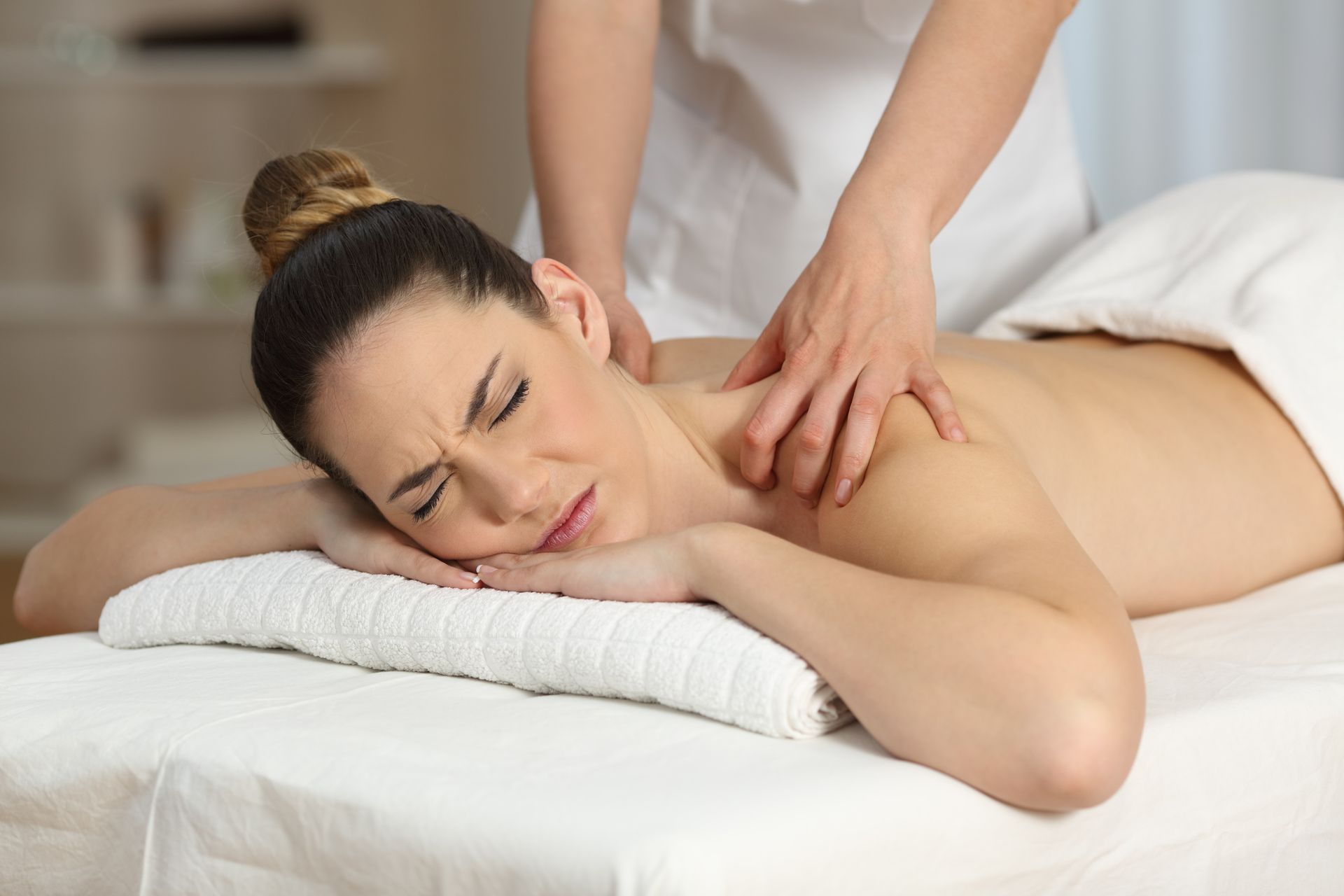
If you’ve ever considered getting a lymphatic drainage massage, one of the first questions that likely came to mind is whether it will hurt.
That concern is completely understandable. Most people associate massage with pressure—sometimes deep, sometimes intense, and occasionally even painful. Techniques like deep tissue or sports massage often come with the expectation that discomfort is part of the process.
But lymphatic drainage massage is fundamentally different, and this is where confusion begins.
Many people either expect it to be painful and are surprised when it isn’t, or they assume something is wrong because it feels too gentle to be effective. Others may experience slight discomfort and wonder if that is normal.
To answer this properly, we need to move beyond assumptions and understand how this type of massage actually works in the body.
The Direct Answer: Is It Painful?
In most cases, lymphatic drainage massage is not painful at all.
In fact, it is designed to be one of the gentlest forms of massage. The pressure used is light, slow, and rhythmic, often described as a soft stretching or gliding sensation across the skin rather than deep manipulation of muscle tissue.
If the technique is performed correctly, it should feel calming, soothing, and sometimes even so subtle that people question whether anything is happening.
Pain is not a goal of this treatment, and it is not required for it to be effective.
Why Lymphatic Drainage Massage Is Naturally Gentle
The reason this massage is not painful comes down to the structure of the lymphatic system itself.
Lymphatic vessels are located just beneath the skin, far above the deeper layers where muscles sit. Because of this, there is no need for deep pressure to influence them. In fact, too much pressure can collapse these delicate vessels and reduce effectiveness.
This is very different from traditional massage techniques, which often target muscle tension and require stronger force.
Lymphatic drainage massage works with precision rather than intensity. The goal is to encourage fluid movement through specific pathways, not to break up tissue or release knots.
Because of this, the sensation is typically light, controlled, and repetitive rather than intense.
What It Actually Feels Like During a Session
For many people, the first experience of lymphatic drainage massage can feel unfamiliar.
Instead of the firm pressure they might expect, the movements are slow and gentle. The therapist may use soft, sweeping motions or light pumping actions that follow the direction of lymph flow.
Some people describe the feeling as similar to a light stretch on the skin, while others compare it to a calming, almost meditative touch.
As the session progresses, it is common to feel deeply relaxed. The nervous system shifts into a calmer state, and the body may begin to feel lighter or less tense.
In some cases, the sensation is so subtle that it challenges the idea that “stronger equals better.” But in this context, gentleness is what makes the technique effective.
Why Some People Expect Pain (And Why That Expectation Is Misleading)
The expectation of pain often comes from experiences with other types of massage.
Deep tissue massage, for example, is designed to reach into muscle layers and release tension. This can sometimes involve discomfort, especially when working through tight areas.
Because of this, many people associate effectiveness with intensity. They assume that if something is working, it must feel strong or even slightly painful.
Lymphatic drainage massage challenges this assumption completely. Its effectiveness comes from working with the body’s natural fluid pathways, not from forcing change through pressure.
This is why pain is not only unnecessary but can actually be counterproductive in this context.
When You Might Feel Mild Discomfort
Although lymphatic drainage massage is generally not painful, there are situations where mild discomfort can occur.
If your body is holding a significant amount of fluid, certain areas may feel sensitive when touched. This is not the same as pain from deep pressure, but rather a temporary tenderness caused by congestion in the tissues.
Some individuals also experience slight discomfort if they are already inflamed, swollen, or dealing with underlying conditions that affect the lymphatic system.
In these cases, the sensation is usually mild and should not feel sharp, intense, or overwhelming. If it does, it is a sign that the pressure may be too strong or the technique needs adjustment.
The Difference Between “Painful” and “Unfamiliar” Sensations
One of the most overlooked aspects of lymphatic drainage massage is how unfamiliar it can feel.
Because the technique is different from traditional massage, the body may respond in ways that feel unusual at first. This can include sensations like tingling, warmth, or a subtle shifting feeling under the skin.
For some people, unfamiliar sensations are interpreted as discomfort, even when they are not harmful or intense.
Understanding this distinction is important. True pain feels sharp, persistent, or distressing. Unfamiliar sensations, on the other hand, tend to be mild, temporary, and non-threatening.
What You Should Never Experience During This Massage
There are certain sensations that should not occur during a properly performed lymphatic drainage massage.
You should not feel sharp pain, deep muscle soreness, or intense pressure that makes you tense up. The experience should never feel forceful or aggressive.
If the massage causes you to hold your breath, tighten your body, or feel uncomfortable enough to want it to stop, it is no longer aligned with the purpose of the technique.
In such cases, it is important to communicate with the therapist, as proper lymphatic work should always remain within a comfortable range.
Why Gentle Does Not Mean Ineffective
One of the biggest misconceptions about lymphatic drainage massage is that if it doesn’t hurt, it must not be doing anything.
This belief comes from a misunderstanding of how the body works.
The lymphatic system does not respond to force. It responds to direction, rhythm, and subtle stimulation. Applying more pressure does not increase effectiveness—it can actually reduce it.
This is why trained therapists focus on precision rather than intensity. The results come from consistency and technique, not from how strong the pressure feels.
The Emotional and Nervous System Experience
Beyond the physical sensations, lymphatic drainage massage often has a strong calming effect on the nervous system.
Because the technique is slow and gentle, it encourages the body to shift into a relaxed state. This can lead to a sense of calm, reduced tension, and even emotional release in some individuals.
For people who are used to constant stress or physical tension, this shift can feel surprisingly powerful.
It is not uncommon for individuals to feel sleepy, deeply relaxed, or even mentally clearer after a session. These responses are part of the body moving into a more balanced state.
Final Verdict: A Clear, Honest Answer
Lymphatic drainage massages are not painful when performed correctly. They are designed to be gentle, soothing, and supportive rather than intense or forceful.
While mild sensitivity can occur in certain situations, true pain is not a normal or necessary part of the experience.
If a session feels painful, it is usually a sign that the technique needs adjustment rather than an indication that the massage is working better.
Closing Thought
Lymphatic drainage massage challenges a common belief that effective treatments must be intense.
In reality, some of the most impactful processes in the body happen quietly and subtly. This type of massage works in that same way—through gentle guidance rather than force.
When you understand that, the experience stops being confusing and starts making sense.


